Blockchain Explained: Revolutionizing Digital Transactions Today

In the ever-evolving landscape of digital technology, few innovations have sparked as much interest and potential for disruption as blockchain. Originally conceptualized as the underlying technology for Bitcoin, blockchain has transcended its initial purpose to become a transformative force across various sectors. This article delves into the intricacies of blockchain technology and how it is revolutionizing digital transactions today.
Understanding Blockchain Technology
What is Blockchain?
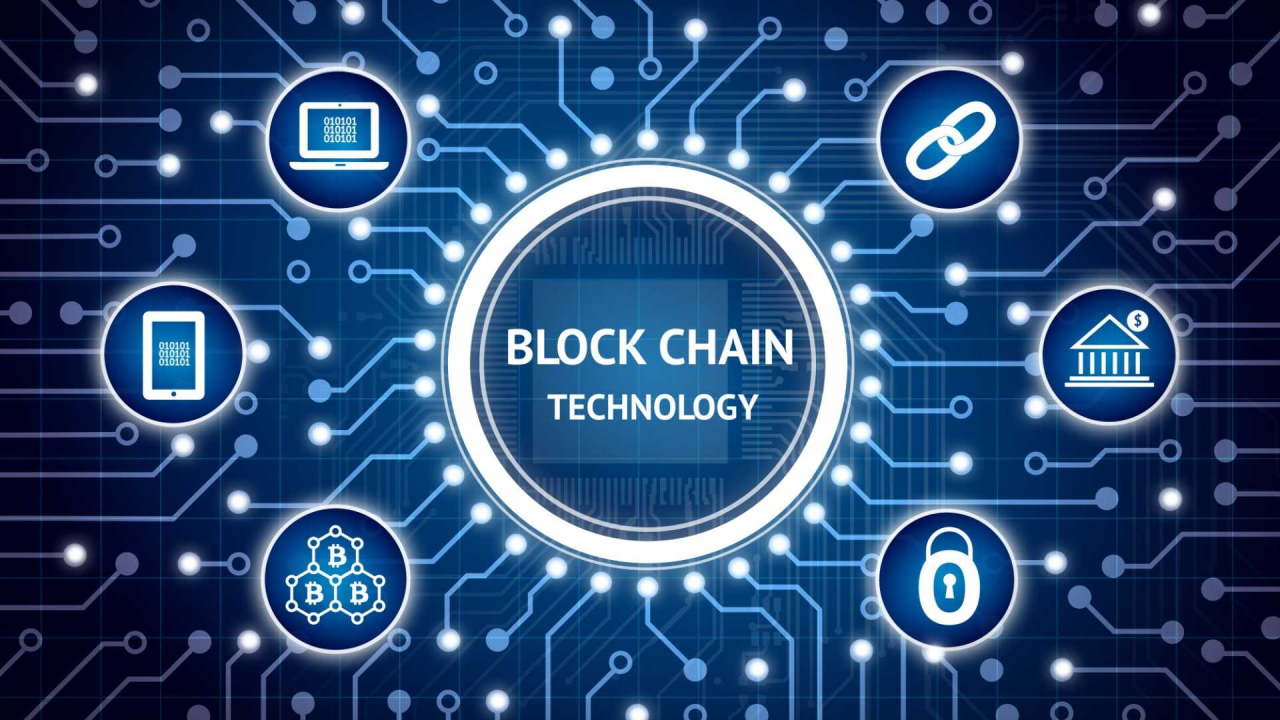
At its core, a blockchain is a decentralized and distributed digital ledger. It records transactions across multiple computers so that the record cannot be altered retroactively without the alteration of all subsequent blocks and the consensus of the network. This ensures transparency and security, two pillars crucial for digital transactions.
How Does Blockchain Work?
Blockchain operates on a peer-to-peer network. Each transaction on the network is grouped with others into a “block.” These blocks are then linked together in chronological order, creating a “chain.” Each block contains a cryptographic hash of the previous block, a timestamp, and transaction data, which is verified by network participants known as nodes.
The Advantages of Blockchain in Digital Transactions
Enhanced Security
One of the most significant advantages of blockchain technology is its enhanced security. The cryptographic nature of blockchain makes it nearly impossible for unauthorized parties to alter transaction data. This security feature is especially critical in financial transactions, where the integrity of data is paramount.
Transparency and Immutability
Blockchain’s transparency allows all participants to view the entire transaction history. This level of transparency not only builds trust among parties but also ensures accountability. Moreover, once a transaction is recorded on the blockchain, it cannot be altered or deleted, a property known as immutability.
Efficiency and Cost Reduction
Traditional financial systems often involve intermediaries, which can slow down the transaction process and increase costs. Blockchain technology eliminates the need for these intermediaries, enabling faster transactions and reducing costs associated with transaction fees and administrative processes.
Blockchain Applications in Digital Transactions
Cryptocurrencies
Cryptocurrencies are perhaps the most well-known application of blockchain technology. Bitcoin, Ethereum, and other digital currencies utilize blockchain to facilitate secure and decentralized financial transactions. This has paved the way for a new era of digital payments, reducing reliance on traditional banking systems.
Smart Contracts
Smart contracts are self-executing contracts with the terms of the agreement directly written into code. They run on blockchain networks, ensuring that they execute automatically when predefined conditions are met. This eliminates the need for intermediaries and ensures that agreements are honored transparently and efficiently.
Supply Chain Management
Blockchain technology is revolutionizing supply chain management by providing real-time visibility into the status of goods as they move through the supply chain. This transparency helps reduce fraud, enhance compliance, and improve efficiency by ensuring that all parties have access to the same information.
Challenges and Considerations
Scalability Issues
One of the significant challenges facing blockchain technology is scalability. As the number of transactions increases, the blockchain can become congested, leading to slower processing times and higher fees. Solutions such as sharding and off-chain transactions are being explored to address these scalability issues.
Regulatory Concerns
The decentralized nature of blockchain presents unique challenges for regulators. As blockchain technology continues to evolve, regulatory frameworks must adapt to ensure the protection of users while fostering innovation. Striking the right balance is crucial for the widespread adoption of blockchain technology in digital transactions.
Energy Consumption
The process of validating transactions on a blockchain, particularly in proof-of-work systems like Bitcoin, requires substantial computational power and energy. This has raised concerns about the environmental impact of blockchain technology. Efforts are underway to develop more energy-efficient consensus mechanisms, such as proof-of-stake, to address these concerns.
The Future of Blockchain in Digital Transactions
The potential of blockchain technology in revolutionizing digital transactions is immense. As technological advancements continue to address existing challenges, blockchain is poised to become an integral part of our digital economy. From enhancing security and transparency to reducing costs and enabling new business models, blockchain is set to redefine how digital transactions are conducted.
Conclusion
Blockchain technology is a groundbreaking innovation that has the potential to revolutionize digital transactions. Its ability to provide security, transparency, and efficiency makes it an attractive solution for various industries. While challenges remain, the ongoing development and refinement of blockchain technology promise a future where digital transactions are more secure, transparent, and efficient than ever before.











Post Comment