Master Crypto Diversification for Optimal Portfolio Growth

Cryptocurrency investing has transformed from a niche pursuit to a mainstream financial activity. As the digital asset space continues to expand and evolve, investors are increasingly looking for ways to optimize their portfolios. One of the most effective strategies for achieving long-term growth and stability in the volatile world of cryptocurrencies is diversification. This article will explore the principles of crypto diversification and provide practical guidance on how to construct a diversified crypto portfolio for optimal growth.
### Understanding Crypto Diversification
Diversification is a risk management strategy that involves spreading investments across various financial instruments, industries, and other categories to reduce exposure to any single asset or risk. In the context of cryptocurrencies, diversification means holding a variety of digital assets rather than concentrating your investments in a single cryptocurrency. This approach can help mitigate the risks associated with the volatile nature of the crypto market.
### Why Diversify Your Crypto Portfolio?
1. **Risk Mitigation**: Cryptocurrencies are known for their price volatility. By diversifying your holdings, you can reduce the impact of a significant downturn in any single asset. If one cryptocurrency performs poorly, others in your portfolio may perform well, balancing out the overall performance.
2. **Exposure to Growth Opportunities**: The crypto market is brimming with innovative projects and technologies. Diversification allows investors to capitalize on multiple growth opportunities, increasing the potential for substantial returns.
3. **Hedge Against Market Volatility**: Different cryptocurrencies often react differently to market events. A diversified portfolio can provide a hedge against market-wide volatility, as the performance of various assets may not be perfectly correlated.
### Building a Diversified Crypto Portfolio
To construct a well-diversified crypto portfolio, consider the following steps:
### Asset Allocation
Asset allocation is the process of deciding how to distribute your investments across different asset classes. In crypto investing, this involves determining the proportion of your portfolio to allocate to various types of cryptocurrencies, such as:
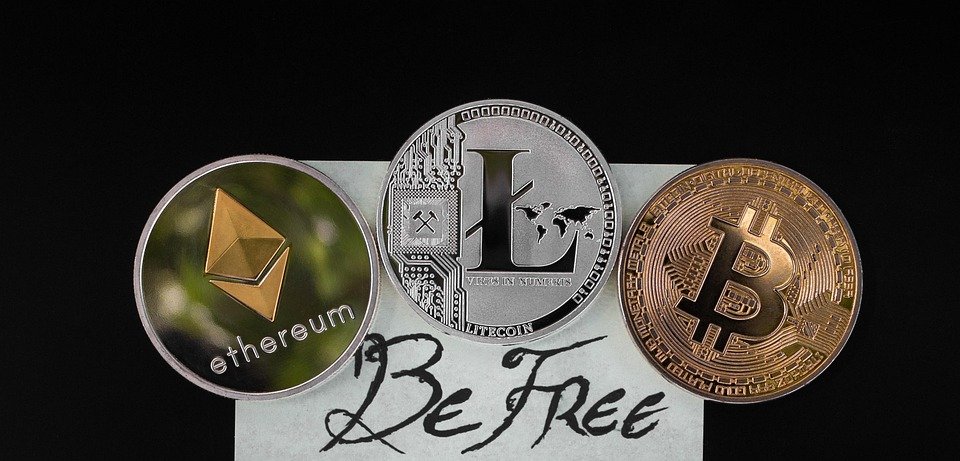
– **Large-Cap Cryptocurrencies**: These are well-established digital currencies with large market capitalizations, like Bitcoin and Ethereum. They are generally considered safer investments within the crypto space.
– **Mid-Cap Cryptocurrencies**: These are digital assets with moderate market capitalizations. They offer a balance between stability and growth potential.
– **Small-Cap Cryptocurrencies**: These are newer or smaller projects with significant growth potential but also higher risk.
### Diversification Across Blockchain Sectors
Cryptocurrencies serve various purposes and operate within different sectors of the blockchain ecosystem. To achieve true diversification, consider investing in assets across multiple sectors, such as:
– **Payments & Money Transfers**: Cryptocurrencies like Bitcoin and Litecoin are primarily used for transferring value.
– **Smart Contract Platforms**: Ethereum and Cardano are examples of platforms that enable the creation of decentralized applications (dApps).
– **DeFi (Decentralized Finance)**: Projects like Uniswap and Aave are revolutionizing traditional financial services through decentralized protocols.
– **NFTs (Non-Fungible Tokens)**: Tokens like those on the Ethereum and Solana networks represent ownership of unique digital items.
– **Privacy Coins**: Cryptocurrencies like Monero and Zcash focus on enhancing transaction privacy and anonymity.
### Consider Stablecoins
Stablecoins are digital assets pegged to a fiat currency like the US dollar, providing a stable store of value. Including stablecoins in your portfolio can help cushion against market volatility and provide liquidity during market downturns. Stablecoins such as USDC and USDT are popular options.
### Geographic Diversification
Just as traditional investors diversify across geographies, crypto investors should consider regional diversification. Different regions have varied regulatory environments and market dynamics, which can influence the performance of cryptocurrencies. Investing in projects from different parts of the world can provide additional diversification benefits.
### Due Diligence and Research
Before adding any cryptocurrency to your portfolio, conduct thorough research to understand the project’s fundamentals, team, technology, and market potential. Analyze the project’s whitepaper, community engagement, and development activity to assess its long-term viability.
### Regular Portfolio Rebalancing
Crypto markets are highly dynamic, with prices and market caps changing rapidly. Regularly review and rebalance your portfolio to ensure it aligns with your investment goals and risk tolerance. Rebalancing involves adjusting the allocation of assets to maintain the desired level of diversification.
### Risk Management Strategies
In addition to diversification, consider implementing other risk management strategies to protect your crypto investments:
– **Stop-Loss Orders**: Set stop-loss orders to automatically sell a cryptocurrency when its price falls below a specific level, limiting potential losses.
– **Dollar-Cost Averaging (DCA)**: Invest a fixed amount of money at regular intervals, regardless of market conditions. This strategy helps reduce the impact of market volatility on your investments.
– **Position Sizing**: Determine the appropriate size of each investment based on your overall portfolio and risk tolerance. Avoid overexposing yourself to any single asset.
### Stay Informed and Adapt
The cryptocurrency landscape is constantly evolving, with new projects, technologies, and regulations emerging regularly. Stay informed about market trends and developments to make informed investment decisions. Be prepared to adapt your portfolio strategy as the market evolves.
### Conclusion
Mastering crypto diversification is essential for any investor looking to achieve optimal portfolio growth in the volatile world of digital assets. By spreading investments across various cryptocurrencies, sectors, and regions, you can mitigate risks and enhance your exposure to growth opportunities. Remember to conduct thorough research, implement risk management strategies, and stay informed about market trends to navigate the dynamic crypto landscape successfully.
Incorporating these principles into your investment strategy can help you build a resilient and diversified crypto portfolio poised for long-term success.
#ChatGPT assisted in the creation of this article.











Post Comment