Master Crypto Investing: A Beginner’s Guide

Cryptocurrency has taken the financial world by storm, offering a decentralized and innovative way to invest and transact. However, for beginners, understanding the nuances of crypto investing can be daunting. This guide is designed to help you master the basics and build a strong foundation for successful cryptocurrency investing.
Understanding Cryptocurrency
At its core, cryptocurrency is a digital or virtual form of currency that uses cryptography for security. Unlike traditional currencies, cryptocurrencies operate on a technology called blockchain—a decentralized ledger that records all transactions across a network.
Key Characteristics of Cryptocurrencies
– **Decentralization**: Cryptocurrencies are not controlled by any central authority, such as a government or financial institution.
– **Anonymity and Transparency**: Transactions are recorded on a public ledger, but the identity of users remains anonymous.
– **Limited Supply**: Most cryptocurrencies have a capped supply, which can drive value through scarcity.
Why Invest in Cryptocurrency?
Investing in cryptocurrencies can offer several benefits, including potentially high returns, diversification of investment portfolio, and the ability to tap into a burgeoning financial market. However, it’s important to be aware of the volatility and risks associated with crypto investments.
Getting Started with Crypto Investing
Before diving into the crypto market, there are several steps you should take to prepare for your investment journey.
1. Educate Yourself
Knowledge is power when it comes to investing. Take the time to learn about different cryptocurrencies, blockchain technology, and market trends. Resources such as online courses, webinars, and books can be invaluable.
2. Determine Your Investment Strategy
Decide on your investment goals and risk tolerance. Are you looking for short-term gains or long-term growth? Understanding your objectives will help shape your investment strategy.
3. Choose a Reliable Cryptocurrency Exchange
To buy and sell cryptocurrencies, you’ll need to use a cryptocurrency exchange. Look for platforms that are secure, user-friendly, and offer a wide range of cryptocurrencies. Popular exchanges include Coinbase, Binance, and Kraken.
4. Secure Your Investments
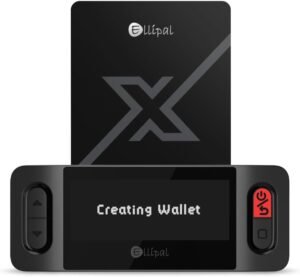
Security should be a top priority when dealing with cryptocurrencies. Use strong, unique passwords and enable two-factor authentication on your accounts. Consider using hardware wallets for long-term storage of your crypto assets.
Types of Cryptocurrencies
The crypto market is home to thousands of different cryptocurrencies, each with its unique features and use cases. Here are some of the most well-known types:
Bitcoin (BTC)
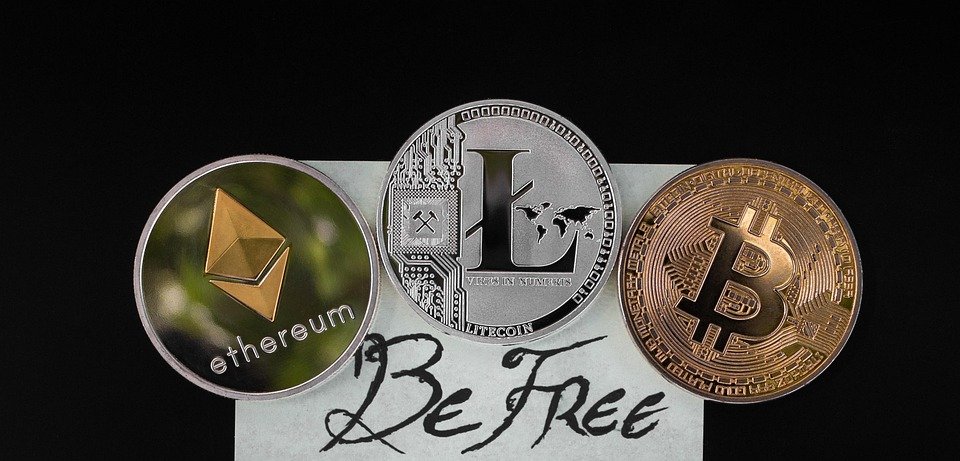
As the first and most well-known cryptocurrency, Bitcoin is often referred to as digital gold. It is widely used as a store of value and a medium of exchange.
Ethereum (ETH)
Ethereum is a decentralized platform that enables the creation of smart contracts and decentralized applications (dApps). Its native cryptocurrency, Ether, is used to power transactions on the network.
Altcoins
Beyond Bitcoin and Ethereum, there are numerous alternative cryptocurrencies, known as altcoins. These include popular options like Ripple (XRP), Litecoin (LTC), and Cardano (ADA), each offering different features and advantages.
Building a Diversified Crypto Portfolio
Diversification is a key principle in investing, and the same applies to cryptocurrency. By spreading your investments across a range of cryptocurrencies, you can mitigate risk and increase your chances of achieving returns.
Tips for Diversifying Your Crypto Portfolio
– **Invest in Different Types of Cryptocurrencies**: Consider allocating funds to major cryptocurrencies like Bitcoin and Ethereum, as well as promising altcoins.
– **Explore Different Sectors**: The crypto market encompasses various sectors, such as DeFi, NFTs, and blockchain platforms. Diversifying across sectors can provide exposure to different growth opportunities.
Managing Risks in Crypto Investing
While the potential for high returns exists, crypto investing is not without its risks. Understanding and managing these risks is crucial for long-term success.
Volatility
Cryptocurrencies are known for their price volatility. To manage this risk, avoid investing more than you can afford to lose, and consider using strategies like dollar-cost averaging.
Regulatory Risks
Regulatory changes can significantly impact the crypto market. Stay informed about legal developments in your region and consider how they might affect your investments.
Security Risks
The decentralized nature of cryptocurrencies can make them susceptible to hacking. Always prioritize security measures to protect your assets.
Staying Informed and Adapting
The cryptocurrency market is dynamic and ever-evolving. Staying informed about market trends, news, and technological advancements is essential for making informed investment decisions.
Join Crypto Communities
Engaging with online crypto communities can provide valuable insights and perspectives. Platforms like Reddit, Twitter, and Telegram host active crypto discussions.
Continuously Educate Yourself
The crypto landscape is constantly changing, so it’s important to keep learning. Follow industry leaders, attend conferences, and explore new educational resources.
Conclusion
Mastering crypto investing requires time, effort, and a willingness to learn. By understanding the basics, implementing security measures, and staying informed, you can navigate the world of cryptocurrency with confidence. Remember to start small, diversify your portfolio, and manage risks effectively. With careful planning and a strategic approach, you can unlock the potential of cryptocurrency investing and achieve your financial goals.
#ChatGPT assisted in the creation of this article.











Post Comment