Mastering Crypto Investing: Top Strategies for 2024

The world of cryptocurrency is continuously evolving, with new technologies, trends, and opportunities emerging at a rapid pace. As we move into 2024, mastering crypto investing requires a keen understanding of the market dynamics, strategic planning, and a robust risk management approach. This article explores the top strategies that can help investors navigate the complexities of the crypto market and capitalize on its potential.
Understanding the Crypto Landscape
Before diving into specific strategies, it’s crucial to have a solid understanding of the current crypto landscape. The market is characterized by its volatility, decentralized nature, and the influence of macroeconomic factors. Cryptocurrencies, such as Bitcoin and Ethereum, remain dominant, but altcoins and decentralized finance (DeFi) projects are gaining traction. Additionally, regulatory developments and technological innovations are shaping the market’s future.
1. Diversification: The Key to Risk Management
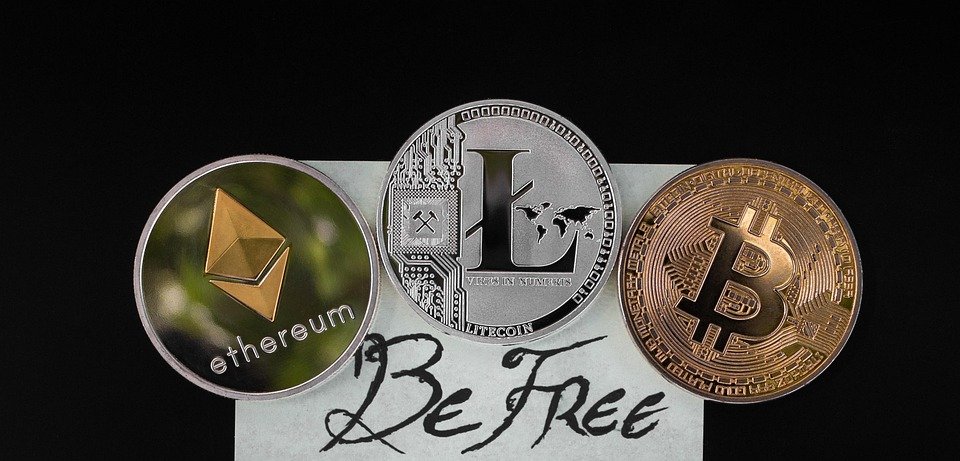
Diversification is a cornerstone of any investment strategy, and it holds particularly true in the volatile crypto market. Investing in a variety of cryptocurrencies can help mitigate risks associated with the price fluctuations of individual assets. While Bitcoin and Ethereum are often seen as safer bets due to their established status, exploring promising altcoins and DeFi tokens can provide opportunities for higher returns.
Investors should aim to build a balanced portfolio that includes a mix of large-cap, mid-cap, and small-cap cryptocurrencies. This approach not only spreads risk but also positions investors to benefit from the growth potential of emerging projects.
2. Fundamental Analysis: Evaluating Crypto Projects
Conducting a thorough fundamental analysis is essential for identifying promising crypto projects. This involves examining the project’s whitepaper, team, technology, use case, and market potential. Understanding the problem the project aims to solve and its competitive advantage can provide valuable insights into its long-term viability.
In 2024, projects that focus on real-world applications, scalability, and interoperability are likely to attract significant attention. Investors should also consider the project’s community support, partnerships, and the track record of its development team.
3. Technical Analysis: Timing Your Investments
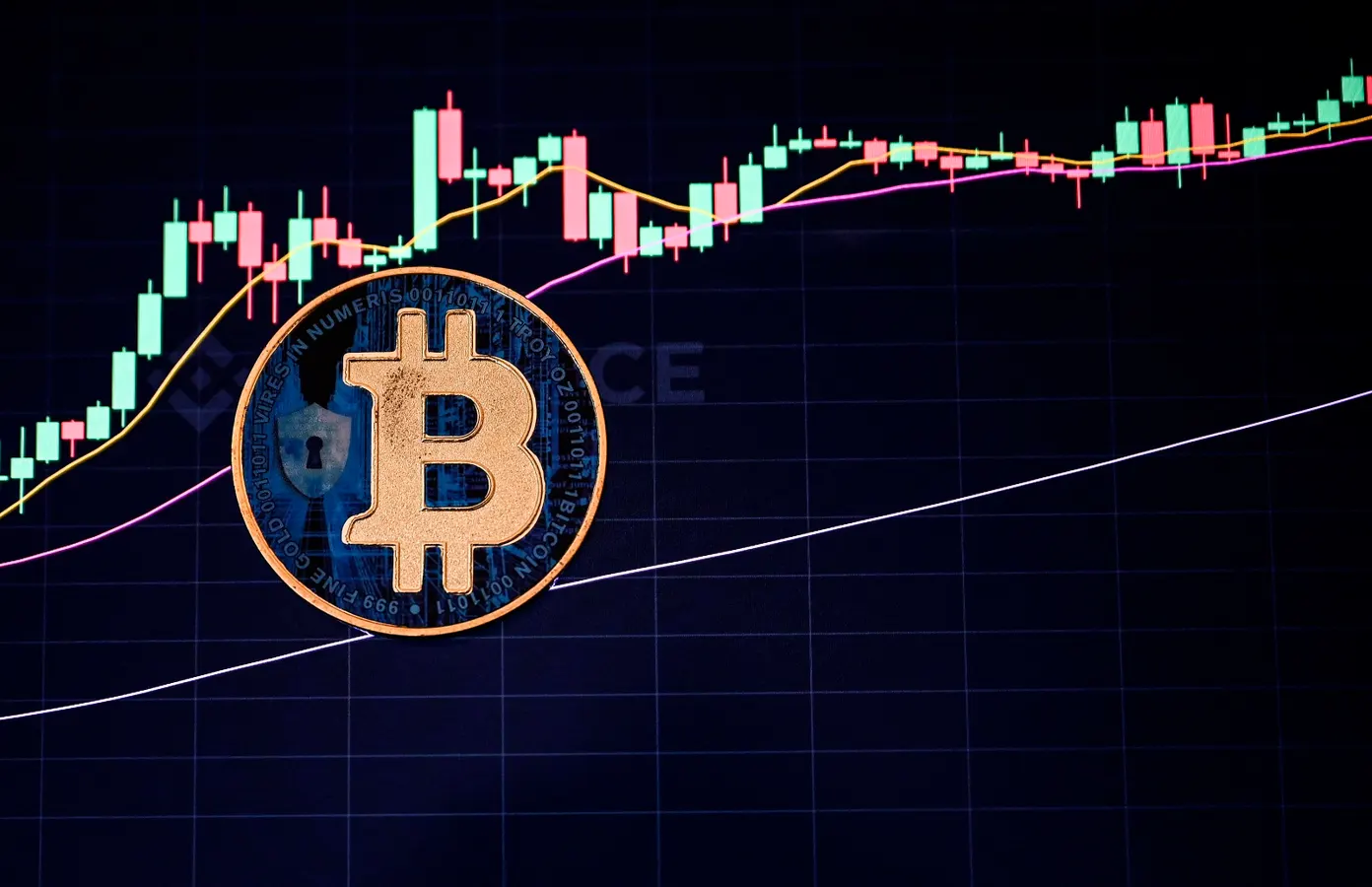
Technical analysis involves studying price charts and market trends to make informed investment decisions. While it may seem complex, mastering basic technical analysis tools can significantly enhance an investor’s ability to time their entries and exits.
Key indicators to monitor include moving averages, relative strength index (RSI), and Bollinger Bands. These tools can help identify potential buy and sell signals, as well as overbought or oversold conditions in the market. By understanding market cycles and patterns, investors can make strategic decisions to maximize profits and minimize losses.
4. Staking and Yield Farming: Earning Passive Income
Staking and yield farming have emerged as popular strategies for earning passive income from crypto investments. Staking involves locking up a certain amount of cryptocurrency in a wallet to support network operations, such as validating transactions. In return, stakers earn rewards in the form of additional tokens.
Yield farming, on the other hand, involves providing liquidity to decentralized exchanges or DeFi protocols in exchange for interest or additional tokens. These strategies not only generate passive income but also offer exposure to promising DeFi projects. However, investors should be aware of the risks associated with smart contracts and impermanent loss.
5. Dollar-Cost Averaging: Reducing Volatility Impact
Dollar-cost averaging (DCA) is a strategy that involves investing a fixed amount of money at regular intervals, regardless of the market conditions. This approach reduces the impact of market volatility and eliminates the pressure of timing the market.
By consistently buying crypto assets over time, investors can accumulate more coins when prices are low and fewer coins when prices are high. DCA is a disciplined approach that can help manage emotions and build wealth steadily over the long term.
6. Risk Management: Protecting Your Investment
Effective risk management is crucial in the crypto market due to its inherent volatility. Investors should set clear risk tolerance levels and avoid investing more than they can afford to lose. Diversifying across different asset classes, setting stop-loss orders, and regularly reviewing the portfolio are essential practices for mitigating risks.
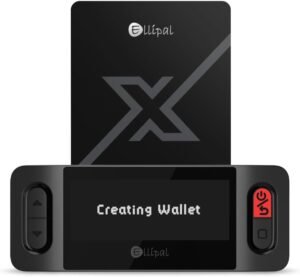
Additionally, staying informed about market news, regulatory developments, and potential security threats is vital for protecting investments. Ensuring the security of crypto holdings through hardware wallets and two-factor authentication can also safeguard assets from cyber threats.
7. Staying Informed: Leveraging Resources and Communities
The crypto market is dynamic, and staying informed is key to making informed investment decisions. Investors should leverage a variety of resources, including news platforms, social media, podcasts, and online forums, to stay updated on market trends and developments.
Engaging with the crypto community can provide valuable insights and networking opportunities. Joining online forums, participating in discussions, and attending industry conferences can help investors gain a deeper understanding of the market and build relationships with like-minded individuals.
8. Regulatory Awareness: Navigating Legal Landscapes
Regulatory developments have a significant impact on the crypto market, and staying informed about legal changes is crucial for investors. In 2024, regulatory clarity is expected to improve, with governments worldwide working towards establishing comprehensive frameworks for digital assets.
Investors should be aware of taxation laws, compliance requirements, and any restrictions on crypto investments in their respective jurisdictions. Understanding the regulatory environment can help investors navigate potential challenges and make informed decisions.
9. Long-Term Vision: Patience and Perseverance
Mastering crypto investing requires a long-term vision and the ability to withstand market fluctuations. While short-term gains are possible, the true potential of crypto assets often unfolds over years. Investors should focus on the fundamental value of their holdings and avoid making impulsive decisions based on short-term market movements.
Patience and perseverance are key virtues in the crypto market. By maintaining a long-term perspective, investors can ride out market volatility and achieve substantial returns over time.
Conclusion
As we look towards 2024, mastering crypto investing involves a combination of strategic planning, continuous learning, and disciplined execution. By diversifying portfolios, conducting thorough analyses, and implementing risk management strategies, investors can navigate the complexities of the crypto market and capitalize on its potential.
Staying informed about market trends, regulatory developments, and technological innovations is essential for making informed decisions. Ultimately, success in crypto investing requires a balanced approach that combines short-term agility with a long-term vision. By adopting these strategies, investors can position themselves for success in the ever-evolving world of cryptocurrency.
#ChatGPT assisted in the creation of this article.










Post Comment