Maximize Returns: Essential Ethereum Investing Insights
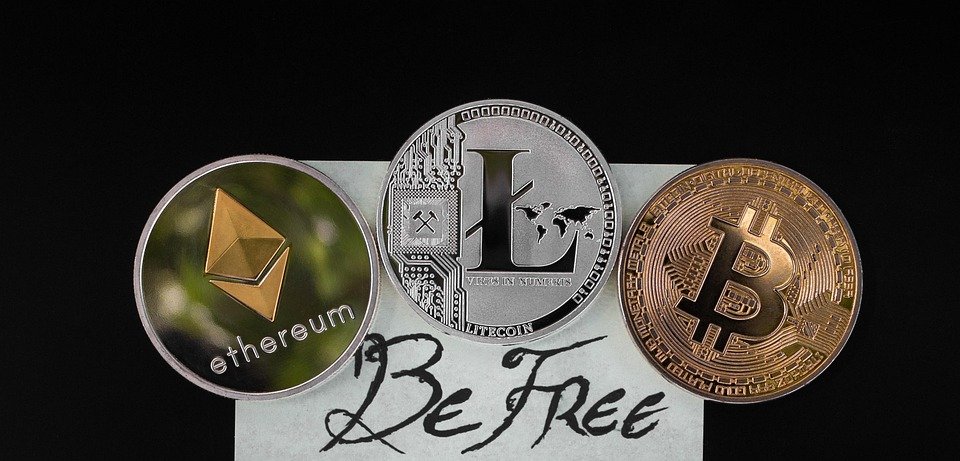
Ethereum, since its inception in 2015 by Vitalik Buterin and a group of co-founders, has rapidly become the second-largest cryptocurrency by market capitalization, trailing only Bitcoin. Unlike Bitcoin, which serves primarily as a digital currency, Ethereum is a decentralized platform that enables developers to build smart contracts and decentralized applications (dApps). This versatility has made it an attractive investment option for both new and seasoned investors looking to maximize their returns in the crypto market.
Understanding Ethereum’s Value Proposition
Ethereum’s value lies in its ability to function as a global, open-source platform for customized smart contracts and dApps. These contracts and applications run as programmed without any possibility of downtime, fraud, or third-party interference. This feature has attracted a vast array of developers and businesses, further cementing Ethereum’s position as a powerhouse in the blockchain space.
Smart Contracts and dApps
Smart contracts are self-executing contracts with the terms of the agreement directly written into code. They automatically enforce and execute the terms of an agreement without the need for intermediaries. This innovation reduces costs and increases efficiency, making it a cornerstone of Ethereum’s utility. Decentralized applications (dApps), built on top of Ethereum, leverage these smart contracts to offer services across various industries, including finance, gaming, and supply chain management.
Ethereum 2.0: A Game Changer
One of the most significant developments in Ethereum’s roadmap is Ethereum 2.0, also known as Eth2 or Serenity. This upgrade aims to address some of the limitations of the current Ethereum network, such as scalability, security, and sustainability. By transitioning from a proof-of-work (PoW) to a proof-of-stake (PoS) consensus mechanism, Ethereum 2.0 promises to enhance the network’s efficiency and reduce its environmental footprint.
Proof of Stake (PoS)
Under the PoS system, validators are chosen to create new blocks and verify transactions based on the number of coins they hold and are willing to “stake” as collateral. This approach significantly reduces energy consumption compared to PoW and incentivizes long-term holding, potentially leading to price stability and growth.
Maximizing Returns: Strategies for Ethereum Investing
Investing in Ethereum requires a strategic approach to maximize returns while mitigating risks. Here are some essential strategies to consider:
1. Diversification
Diversification is a fundamental principle in investing. By spreading investments across different assets, you can reduce risk and enhance potential returns. In the context of Ethereum, consider allocating funds not just in Ether (ETH) itself but also in projects built on the Ethereum blockchain, such as decentralized finance (DeFi) tokens and non-fungible tokens (NFTs).
2. Staking
With Ethereum 2.0, investors can earn rewards by staking their ETH. This involves locking up a certain amount of ETH to help secure the network and, in return, receiving additional ETH as a reward. Staking can provide a steady stream of passive income, enhancing overall returns.
3. Dollar-Cost Averaging (DCA)
Dollar-cost averaging involves investing a fixed amount of money at regular intervals, regardless of the asset’s price. This strategy mitigates the impact of market volatility and reduces the risk of making poorly-timed investments. Over time, DCA can lead to more consistent returns.
4. Staying Informed
The cryptocurrency market is highly dynamic and subject to rapid changes. Staying informed about the latest developments, news, and trends in the Ethereum ecosystem is crucial for making informed investment decisions. Follow reputable news sources, join community forums, and engage with thought leaders in the space.
Risks and Challenges
While Ethereum presents significant investment opportunities, it also comes with its share of risks and challenges. Understanding these risks is essential for managing your investment portfolio effectively.
1. Regulatory Risks
The regulatory environment for cryptocurrencies remains uncertain in many jurisdictions. Governments worldwide are still grappling with how to regulate digital assets, and changes in regulations could impact Ethereum’s value and its associated ecosystem.
2. Market Volatility
Cryptocurrencies are known for their price volatility, and Ethereum is no exception. Prices can experience significant fluctuations within short periods, influenced by factors such as market sentiment, economic developments, and technological advancements.
3. Technological Risks
As a technology-driven platform, Ethereum faces potential risks related to bugs, security vulnerabilities, and network upgrades. Although the Ethereum community is proactive in addressing these issues, investors should remain vigilant and prepared for unforeseen challenges.
The Future of Ethereum
Ethereum’s future looks promising, driven by its ongoing upgrades, expanding ecosystem, and growing adoption. As Ethereum 2.0 continues to roll out, it is expected to improve the network’s scalability and efficiency, attracting more developers and users.
Ethereum’s Role in DeFi and NFTs
Ethereum’s role in the DeFi and NFT space is a testament to its versatility and innovation. DeFi platforms built on Ethereum are transforming traditional financial services, offering lending, borrowing, and trading solutions without intermediaries. Meanwhile, NFTs have created new opportunities for artists, creators, and collectors, revolutionizing the way digital assets are bought and sold.
Conclusion
Ethereum offers a unique value proposition in the cryptocurrency landscape, with its robust platform for smart contracts and dApps. Investors looking to maximize returns should consider a diversified approach, leveraging strategies like staking, dollar-cost averaging, and staying informed about market developments. While risks remain, Ethereum’s potential for growth and innovation makes it an attractive investment opportunity for those willing to navigate the dynamic world of cryptocurrencies.
By understanding Ethereum’s intricacies and adopting sound investment strategies, investors can position themselves to capitalize on the opportunities presented by this pioneering blockchain platform.
#ChatGPT assisted in the creation of this article.










Post Comment