Revolutionary Blockchain Applications Transforming Industries Today

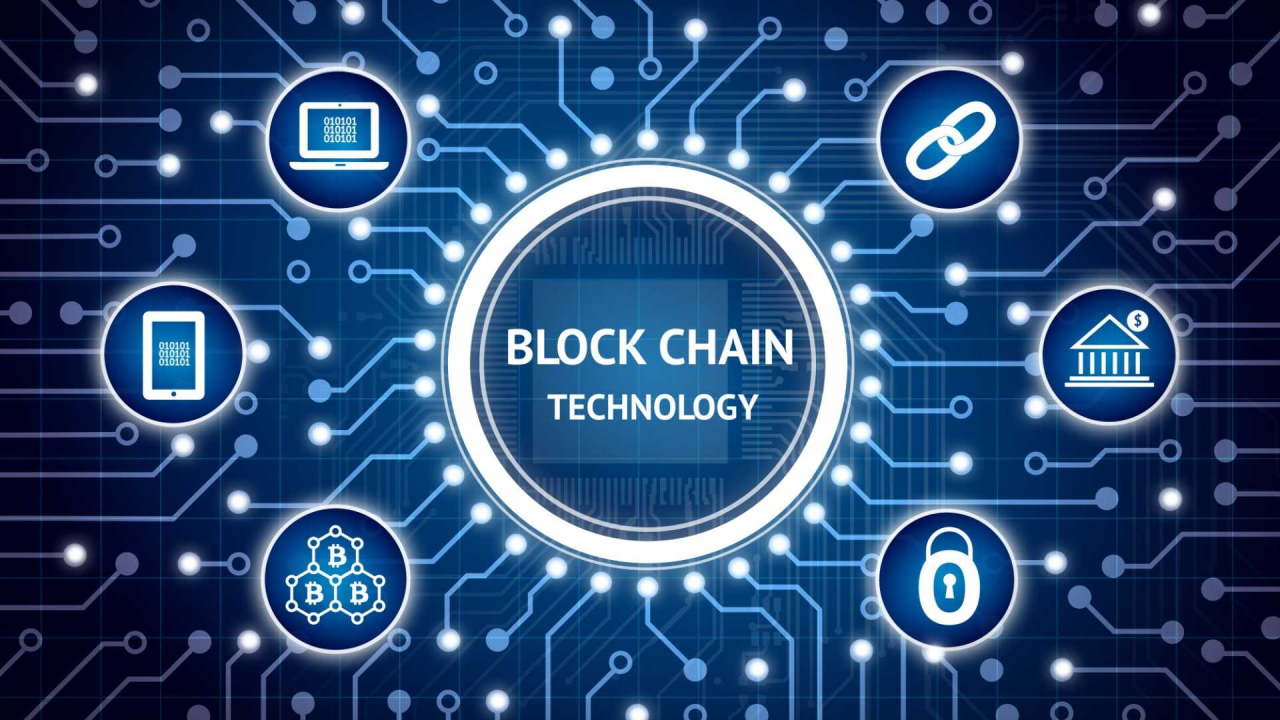
Blockchain technology, once synonymous solely with cryptocurrencies like Bitcoin, has evolved into a transformative force across various industries. Its decentralized, transparent, and immutable nature offers innovative solutions to traditional challenges, leading to increased efficiency, security, and trust. This article explores how blockchain technology is revolutionizing several key industries today.
Blockchain in Finance
The financial sector was one of the first industries to recognize the potential of blockchain technology. Beyond cryptocurrencies, blockchain facilitates faster, more secure transactions while reducing costs. Decentralized finance (DeFi) platforms enable peer-to-peer financial services, such as lending and borrowing, without traditional intermediaries. These platforms offer enhanced accessibility and inclusivity, particularly for the unbanked population.
Moreover, blockchain’s transparency and traceability are addressing issues like fraud and money laundering. Smart contracts automate and enforce agreements, reducing the need for manual intervention and minimizing errors. This innovation is particularly beneficial in complex processes such as cross-border transactions, which are now faster and more cost-effective.
Supply Chain Management
Supply chain management is another area experiencing significant transformation due to blockchain technology. By providing a transparent ledger accessible to all stakeholders, blockchain enhances traceability and accountability throughout the supply chain. This visibility ensures that products are sourced ethically and sustainably, meeting consumer demands for transparency.
Blockchain technology also helps in combating counterfeit goods. By recording every transaction and change of ownership on the blockchain, it becomes nearly impossible to alter or falsify product origins. This capability is crucial for industries such as pharmaceuticals, where counterfeit drugs pose significant risks to public health.
Healthcare
In the healthcare sector, blockchain technology addresses critical issues related to data security and interoperability. Patient records can be securely stored on a blockchain, ensuring privacy and preventing unauthorized access. This secure sharing of data among healthcare providers enhances patient care and reduces administrative burdens.
Additionally, blockchain can streamline the process of verifying medical credentials and certifications, improving the efficiency of hiring processes in healthcare institutions. The technology also supports the tracking and verification of pharmaceuticals, mitigating the risks associated with counterfeit drugs and ensuring patient safety.
Real Estate
Real estate transactions typically involve multiple intermediaries, extensive paperwork, and significant time delays. Blockchain technology simplifies these processes by enabling transparent, immutable records of property ownership and transactions. Smart contracts facilitate faster and more secure property transfers, reducing the need for intermediaries and lowering transaction costs.
The technology also enables fractional ownership, allowing investors to purchase and trade shares in real estate properties. This innovation democratizes real estate investment, making it more accessible to a broader range of investors and increasing liquidity in the market.
Energy Sector
Blockchain technology is playing a pivotal role in the transition to more sustainable energy systems. It supports peer-to-peer energy trading, where individuals can buy and sell excess renewable energy directly, without the need for a centralized utility. This approach promotes the use of renewable energy sources and enhances energy efficiency.
Furthermore, blockchain aids in tracking and verifying the provenance of energy, ensuring that it comes from renewable sources. This transparency is crucial for consumers and businesses committed to sustainability and reducing their carbon footprint.
Education
The education sector is also experiencing a blockchain-driven transformation. Academic credentials and certificates can be securely stored and shared on a blockchain, simplifying the verification process for employers and educational institutions. This reduces the risk of credential fraud and enhances trust in the authenticity of educational achievements.
Blockchain technology also supports the creation of decentralized learning platforms, where learners can access diverse educational resources and track their learning progress. This innovation fosters a personalized and flexible learning experience, accommodating the diverse needs of students.
Voting and Governance
Blockchain technology has the potential to revolutionize voting and governance systems by enhancing transparency, security, and accessibility. Blockchain-based voting systems ensure the integrity of elections by providing an immutable and transparent record of votes. This reduces the risk of fraud and increases voter confidence in the electoral process.
Moreover, blockchain technology can facilitate more inclusive and participatory governance models. Decentralized autonomous organizations (DAOs) leverage blockchain to enable collective decision-making, allowing stakeholders to propose and vote on initiatives in a transparent and democratic manner.
Conclusion
The applications of blockchain technology extend far beyond cryptocurrencies, offering transformative solutions across various industries. Its ability to enhance transparency, security, and efficiency is driving innovation and reshaping traditional processes. As blockchain technology continues to evolve, it will likely unlock even more revolutionary applications, further transforming industries and society as a whole.











Post Comment