Revolutionary Blockchain Use Cases Transforming Industries

“`html
Introduction
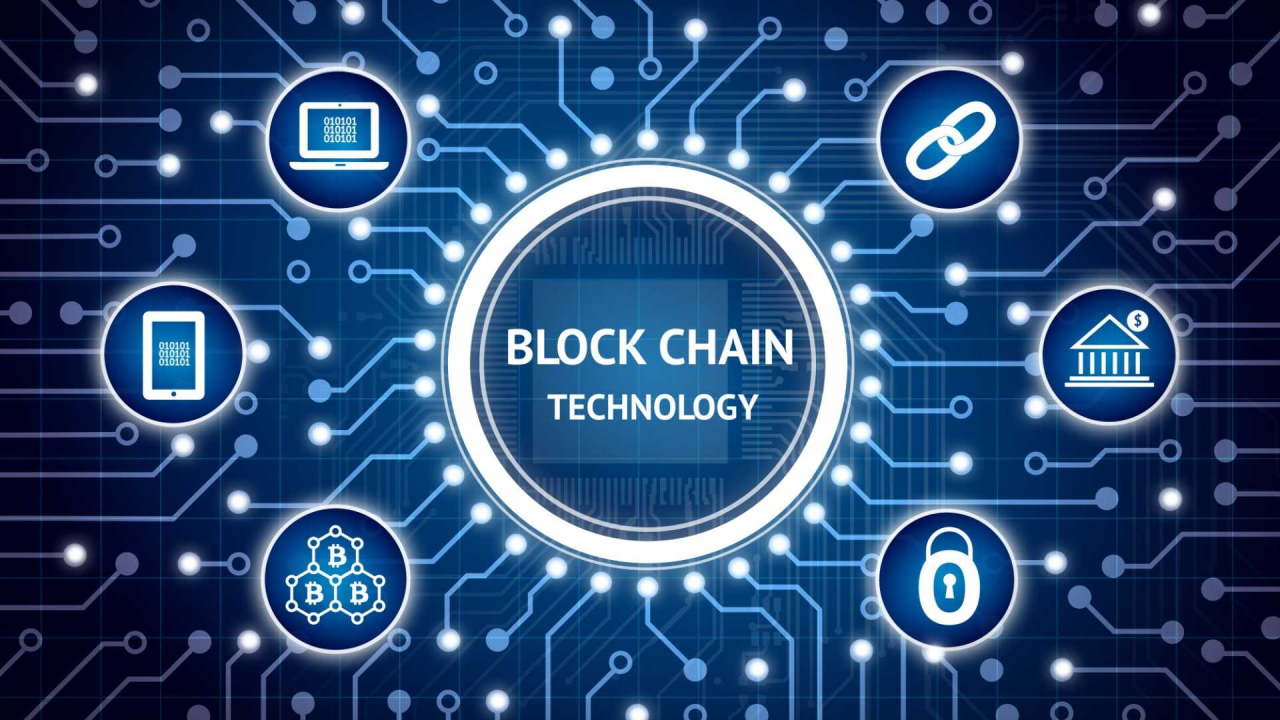
Blockchain technology, once primarily associated with cryptocurrencies like Bitcoin, has evolved far beyond its original financial roots. Today, it is a revolutionary force across various industries, offering unprecedented levels of transparency, security, and efficiency. This article delves into the transformative use cases of blockchain technology that are reshaping sectors such as finance, supply chain, healthcare, real estate, and entertainment.
Blockchain in Finance: Beyond Cryptocurrencies
While blockchain’s debut in the financial sector was through cryptocurrencies, its capabilities extend much further. Decentralized finance (DeFi) is one of the most significant developments, enabling financial transactions without intermediaries. This innovation reduces transaction costs and increases accessibility for the unbanked population.
Smart contracts, self-executing contracts with the terms of the agreement directly written into code, are another major advancement. They automate and streamline processes such as loan approvals, insurance claims, and even complex derivatives trading. By eliminating the need for intermediaries, smart contracts reduce costs and increase efficiency.
Moreover, blockchain is enhancing cross-border payments. Traditional international transfers are often slow and expensive, but blockchain enables near-instantaneous transactions with minimal fees. This is particularly beneficial for remittances, where migrant workers send money back to their families in different countries.
Supply Chain Management: Enhancing Transparency and Efficiency
Blockchain’s ability to provide an immutable and transparent ledger makes it ideal for supply chain management. Companies can track products from origin to consumer, ensuring authenticity and quality. This is particularly important in industries like food and pharmaceuticals, where safety and compliance are critical.
For instance, Walmart has implemented a blockchain system to track produce, reducing the time it takes to trace food from days to seconds. This rapid traceability minimizes the impact of foodborne illnesses and enhances consumer trust. Similarly, pharmaceutical companies use blockchain to combat counterfeit drugs by ensuring every step of the supply chain is recorded and verified.
Moreover, blockchain facilitates efficient inventory management. Businesses can synchronize demand with supply, reducing waste and optimizing resources. This is particularly useful in industries with perishable goods, where timely delivery is crucial.
Healthcare: Securing Patient Data and Improving Care
In the healthcare sector, blockchain is transforming data management and patient care. One of its primary applications is in securing electronic health records (EHRs). Healthcare providers can use blockchain to store patient data securely, ensuring that only authorized parties have access. This enhances patient privacy and reduces the risk of data breaches.
Blockchain also facilitates interoperability between different healthcare systems. By providing a standardized and transparent way to share data, blockchain allows healthcare providers to access a comprehensive view of a patient’s medical history, leading to more informed decision-making and improved patient outcomes.
Furthermore, blockchain is being used to streamline clinical trials. It provides an immutable record of trial data, ensuring transparency and accountability. This can accelerate the approval process for new drugs and treatments, ultimately benefiting patients.
Real Estate: Simplifying Transactions and Reducing Fraud
The real estate industry, traditionally burdened by paperwork and lengthy processes, is being revolutionized by blockchain. Smart contracts simplify transactions by automating tasks such as title transfers and escrow. This reduces the need for intermediaries and speeds up the buying and selling process.
Blockchain also increases transparency in property transactions. Every step of the process, from listing to closing, can be recorded on the blockchain, ensuring all parties have access to the same information. This minimizes disputes and reduces the risk of fraud, such as title fraud, which can have devastating financial consequences.
Moreover, blockchain enables fractional ownership of real estate. By tokenizing properties, investors can purchase shares of a property, democratizing real estate investment and increasing liquidity in the market.
Entertainment: Empowering Creators and Consumers
In the entertainment industry, blockchain is empowering creators and consumers alike. One of the most notable applications is in digital rights management. Blockchain provides a transparent and secure way to track ownership and usage of creative works, ensuring artists receive fair compensation for their work.
Non-fungible tokens (NFTs) have gained popularity as a way to monetize digital art and collectibles. Artists can sell unique digital assets directly to consumers, bypassing traditional gatekeepers like galleries and auction houses. This not only increases artists’ revenue but also allows consumers to own a piece of digital history.
Additionally, blockchain is transforming the music industry. It enables direct payments to artists, reducing the share taken by intermediaries like record labels. This ensures artists receive a fairer portion of their earnings and can connect more directly with their audience.
Conclusion
Blockchain technology is revolutionizing industries by providing transparency, security, and efficiency. From finance to supply chain, healthcare to real estate, and entertainment, blockchain is creating new possibilities and transforming traditional processes. As the technology continues to evolve, it is likely to bring even more innovative solutions, driving further transformation across various sectors.
The adoption of blockchain is still in its early stages, but its potential is undeniable. As more industries recognize the benefits and invest in blockchain solutions, we can expect to see even more revolutionary use cases that will reshape the way we conduct business and interact with technology. The future of blockchain is bright, and its impact on industries will be profound and lasting.
“`
#ChatGPT assisted in the creation of this article.








Post Comment