Top Layer 2 Tokens Revolutionizing Blockchain Scalability
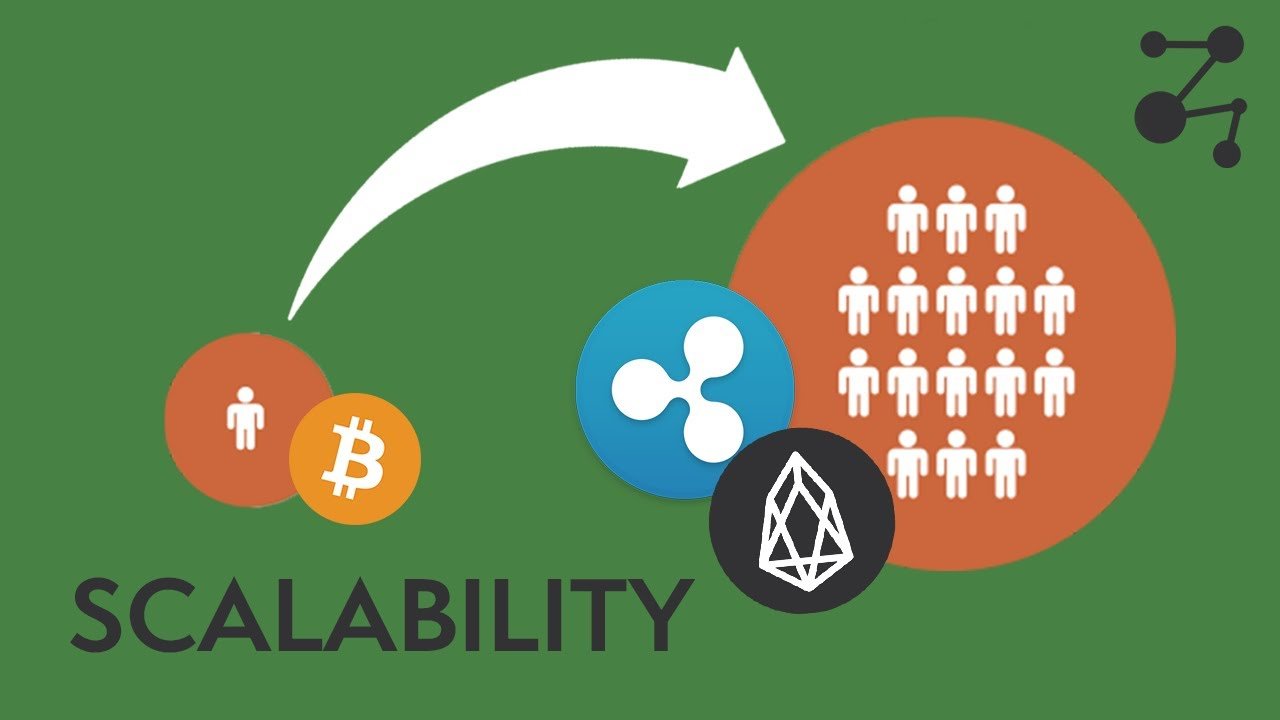
Blockchain technology has undoubtedly transformed various sectors by offering decentralized solutions, transparency, and security. However, as more users and transactions enter the blockchain ecosystem, scalability issues have arisen, especially for popular networks like Ethereum. Layer 1 blockchains, which are the base layer (or the main chain), often struggle with high transaction fees and slow processing times due to their limited throughput. This has paved the way for Layer 2 solutions, which aim to enhance scalability while maintaining the security and decentralization offered by Layer 1 networks.
Layer 2 solutions are essentially protocols that are built on top of existing blockchains to improve their performance. These solutions offload transactions from the main chain to reduce congestion and increase transaction speed and throughput. In this article, we’ll explore some of the top Layer 2 tokens that are at the forefront of revolutionizing blockchain scalability.
## What are Layer 2 Solutions?
Before delving into specific tokens, it’s crucial to understand what Layer 2 solutions are. They are secondary frameworks or protocols built on top of existing blockchain networks. Their primary goal is to solve the scalability trilemma, which involves balancing decentralization, security, and scalability.
Layer 2 solutions achieve this by processing transactions off the main chain and then batching them together to be recorded on the base layer. This approach significantly reduces the load on the main blockchain, allowing for faster transactions and lower fees. Some common types of Layer 2 solutions include state channels, sidechains, and rollups.
## Top Layer 2 Tokens Revolutionizing Blockchain Scalability
### Polygon (MATIC)
Polygon, formerly known as Matic Network, is one of the most prominent Layer 2 scaling solutions for Ethereum. It provides a framework for building and connecting Ethereum-compatible blockchain networks. Polygon enhances scalability by using a modified version of the Plasma framework, which allows for the creation of child chains that are anchored to the Ethereum main chain.
The native token, MATIC, is used for governance, staking, and paying transaction fees on the network. Polygon’s solution has been widely adopted due to its ability to significantly reduce transaction costs and improve speed without compromising on security. It has become a preferred choice for decentralized applications (dApps) and developers looking to scale their projects on Ethereum.
### Optimism (OP)
Optimism is another Layer 2 scaling solution that utilizes optimistic rollups to increase Ethereum’s scalability. Optimistic rollups are a type of rollup technology that assumes transactions are valid by default and only performs computation when a transaction is challenged. This allows Optimism to process thousands of transactions per second, reducing congestion on the Ethereum main chain.
The OP token is central to the Optimism ecosystem, providing governance rights and serving as a medium for paying transaction fees. Optimism has gained traction in the DeFi space, with several protocols integrating its solution to enhance user experience through faster and cheaper transactions.
### Arbitrum (ARB)
Arbitrum is a Layer 2 scaling solution focused on optimizing Ethereum’s throughput and reducing transaction costs. It uses a technique called optimistic rollups, similar to Optimism, to bundle multiple transactions into a single batch that is then submitted to the Ethereum network. This approach allows Arbitrum to offer significantly lower gas fees and faster transaction times compared to the Ethereum main chain.
The ARB token is integral to the Arbitrum network, enabling governance and incentivizing validators. Arbitrum’s ease of integration and compatibility with the Ethereum Virtual Machine (EVM) have made it a popular choice among developers and projects seeking to enhance scalability.
### Loopring (LRC)
Loopring is a Layer 2 scaling solution that focuses on building decentralized exchanges (DEXs) with improved scalability and reduced costs. It employs zkRollups, a technology that leverages zero-knowledge proofs to bundle multiple transactions together and submit them to the Ethereum main chain as a single transaction.
The LRC token powers the Loopring ecosystem, serving various functions such as paying transaction fees and participating in protocol governance. Loopring’s zkRollup technology allows DEXs to offer near-instant settlement times and lower fees compared to traditional Layer 1 exchanges, making it an attractive solution for traders and developers.
### zkSync (ZKS)
zkSync is a Layer 2 scaling solution designed to provide fast and affordable transactions on Ethereum using zkRollups. By leveraging zero-knowledge proofs, zkSync ensures that transactions are secure and verifiable without requiring each transaction to be processed on the Ethereum main chain.
The ZKS token is central to the zkSync network, facilitating governance, staking, and transaction fees. zkSync’s focus on privacy and scalability has attracted interest from various projects looking to enhance user experience while maintaining the security and decentralization of the Ethereum network.
### Immutable X (IMX)
Immutable X is a Layer 2 scaling solution specifically designed for non-fungible tokens (NFTs) and gaming applications on Ethereum. It uses zkRollups to provide scalable, fast, and gas-free transactions, making it an ideal choice for platforms dealing with high volumes of NFT transactions.
The IMX token plays a vital role in the Immutable X ecosystem, functioning as a governance token and enabling users to earn rewards through staking. Immutable X’s focus on NFTs and gaming has positioned it as a leading solution in these rapidly growing sectors, providing seamless experiences for creators and users alike.
## Benefits of Layer 2 Solutions
Layer 2 solutions offer several benefits that make them an attractive option for enhancing blockchain scalability:
1. **Reduced Transaction Costs**: By processing transactions off-chain, Layer 2 solutions significantly reduce gas fees, making blockchain networks more accessible and cost-effective.
2. **Increased Throughput**: Layer 2 solutions can handle thousands of transactions per second, alleviating congestion on the main chain and improving overall network performance.
3. **Enhanced User Experience**: Faster transaction times and lower fees lead to a more seamless experience for users, encouraging wider adoption of blockchain technology.
4. **Improved Security**: Most Layer 2 solutions maintain the security of the underlying Layer 1 network, ensuring that transactions remain secure and tamper-proof.
5. **Scalability without Sacrificing Decentralization**: Layer 2 solutions allow blockchains to scale without compromising their decentralized nature, which is a fundamental aspect of blockchain technology.
## Challenges and Considerations
While Layer 2 solutions offer numerous advantages, they also come with certain challenges and considerations:
1. **Complexity**: Integrating Layer 2 solutions can be complex for developers and requires a deep understanding of the underlying technology.
2. **Interoperability**: Ensuring seamless interoperability between Layer 1 and Layer 2 can be challenging, as it requires robust communication protocols.
3. **Adoption**: Widespread adoption of Layer 2 solutions is necessary to realize their full potential, which requires collaboration and support from the broader blockchain community.
4. **Security Risks**: While most Layer 2 solutions inherit the security of the underlying Layer 1 network, they can still be susceptible to specific vulnerabilities that need to be addressed.
## Conclusion
Layer 2 tokens and solutions are playing a pivotal role in revolutionizing blockchain scalability. By addressing the limitations of Layer 1 networks, these solutions are enabling faster, more affordable, and more efficient blockchain interactions. Tokens like MATIC, OP, ARB, LRC, ZKS, and IMX are at the forefront of this transformation, offering innovative approaches to scaling while maintaining the core principles of security and decentralization.
As blockchain technology continues to evolve, the importance of Layer 2 solutions will only grow, paving the way for a more scalable and accessible decentralized ecosystem. Whether through rollups, state channels, or other innovative technologies, Layer 2 solutions are set to redefine the future of blockchain scalability and drive mainstream adoption across various industries.
#ChatGPT assisted in the creation of this article.








Post Comment