Understanding Smart Contracts: A Complete Guide
Blockchain technology has revolutionized numerous industries by introducing decentralized, secure, and transparent systems. Among its many innovations, smart contracts are perhaps the most significant. These self-executing contracts with the terms of the agreement directly written into code have the potential to automate and streamline complex processes, reducing the need for intermediaries and enhancing efficiency. This article delves into the intricacies of smart contracts, providing a comprehensive guide to understanding their workings, benefits, challenges, and future prospects.
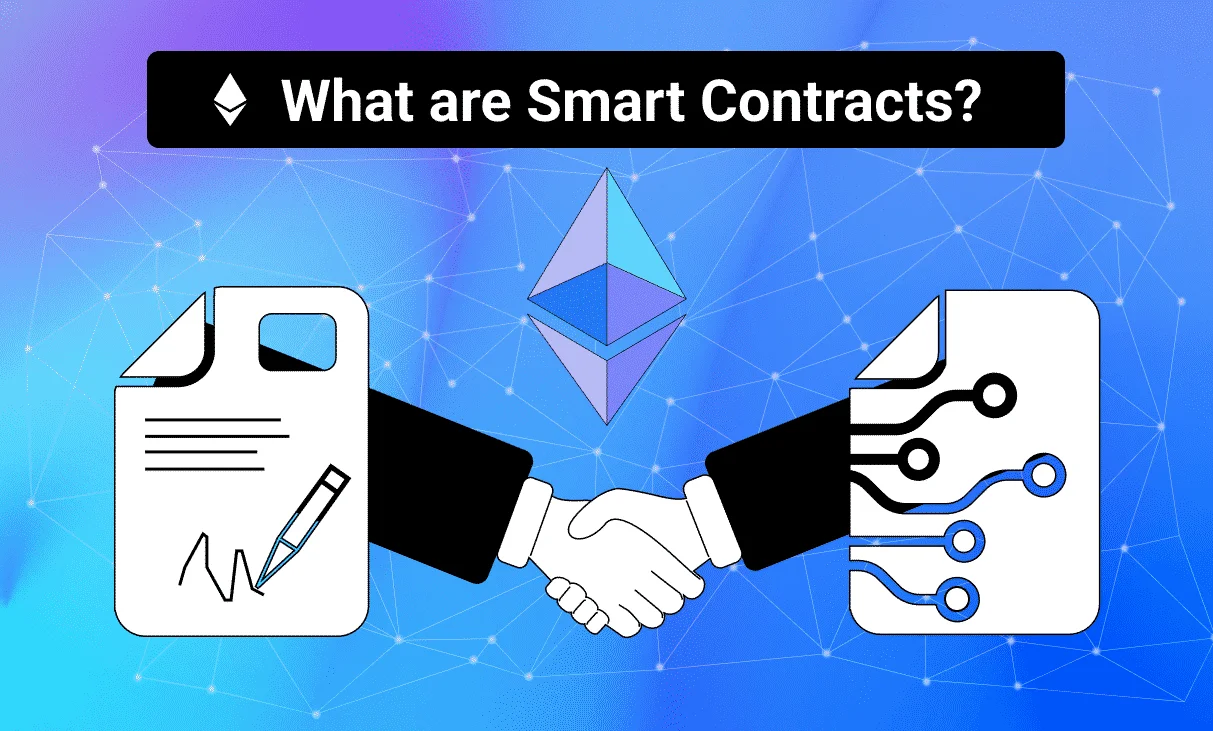
What are Smart Contracts?
Smart contracts are digital agreements that automatically execute predefined actions when certain conditions are met. They are typically built on blockchain platforms like Ethereum, which provide a decentralized and immutable ledger for recording and verifying transactions. Unlike traditional contracts, which require manual enforcement and intervention, smart contracts leverage the power of blockchain to ensure that all parties adhere to the agreed-upon terms without the need for third-party enforcement.
Key Characteristics of Smart Contracts
– **Self-Executing**: Smart contracts automatically execute the terms of a contract when predefined conditions are met, eliminating the need for human intervention.
– **Immutable**: Once deployed on the blockchain, smart contract code cannot be altered, ensuring the integrity and trustworthiness of the agreement.
– **Transparent**: All parties involved can view the contract’s terms and execution on the blockchain, promoting transparency and accountability.
– **Decentralized**: They operate on decentralized blockchain networks, reducing the reliance on centralized authorities or intermediaries.
How Do Smart Contracts Work?
Smart contracts function by following simple “if/then” logic. When a specified condition is met, the contract executes the corresponding action. These conditions and actions are coded into the smart contract and stored on the blockchain. Here’s a step-by-step breakdown of their operation:
1. **Coding the Contract**: Developers write the smart contract code, defining the conditions and actions in a programming language compatible with the blockchain platform. Ethereum, for instance, uses Solidity.
2. **Deployment**: The smart contract is deployed on the blockchain, where it is assigned a unique address. This deployment makes the contract publicly accessible and ready for interaction.
3. **Triggering Conditions**: External data or events, often referred to as oracles, are used to trigger the contract’s conditions. Oracles serve as a bridge between the blockchain and real-world data, ensuring that the contract can respond to external inputs.
4. **Execution**: When the specified conditions are met, the contract autonomously executes the agreed-upon actions. These actions could range from transferring funds between parties to updating records.
5. **Recording on the Blockchain**: Every transaction and execution is recorded on the blockchain, providing an immutable and transparent record of the contract’s history.
Benefits of Smart Contracts
Smart contracts offer several advantages over traditional contractual agreements, making them an attractive option for a wide range of applications:
Efficiency and Automation
By automating the execution of contract terms, smart contracts eliminate the need for manual processing and reduce the time and effort required to enforce agreements. This automation streamlines processes and minimizes the risk of human error.
Cost Reduction
Smart contracts reduce the reliance on intermediaries such as lawyers, banks, or brokers, resulting in significant cost savings. The elimination of these middlemen simplifies transactions and lowers associated fees.
Trust and Transparency
The decentralized and transparent nature of blockchain ensures that all parties have access to the same information, fostering trust and reducing disputes. The immutability of the blockchain also guarantees that contract terms cannot be altered after deployment.
Security
Smart contracts are secured by the blockchain’s cryptography, making them resistant to tampering and fraud. The decentralized nature of blockchain further enhances security by eliminating single points of failure.
Challenges and Limitations
Despite their many benefits, smart contracts also face several challenges and limitations that must be addressed to realize their full potential:
Complexity and Errors
Writing smart contract code requires a high level of expertise, and errors or vulnerabilities in the code can lead to significant financial losses. Debugging and auditing smart contracts are essential to ensure their reliability.
Scalability
Blockchain networks, particularly those like Ethereum, often face scalability issues that can impact the performance of smart contracts. High transaction volumes can lead to congestion and increased costs, limiting the adoption of smart contracts for large-scale applications.
Legal and Regulatory Uncertainty
The legal status of smart contracts is still evolving, and there is uncertainty regarding their enforceability in various jurisdictions. Developing a clear legal framework is crucial to promoting the widespread adoption of smart contracts.
Dependence on Oracles
Smart contracts rely on oracles to provide external data, creating potential points of failure. Ensuring the accuracy and reliability of oracles is essential to maintaining the integrity of smart contracts.
Applications of Smart Contracts
Smart contracts have the potential to transform a wide range of industries by enabling new applications and business models:
Finance and Banking
In the financial sector, smart contracts can automate processes such as loan approvals, insurance claims, and securities trading. They reduce the need for manual intervention and enhance the efficiency of financial transactions.
Supply Chain Management
Smart contracts can improve transparency and traceability in supply chains by recording every step of a product’s journey on the blockchain. This visibility helps prevent fraud and ensures the authenticity of goods.
Real Estate
In real estate, smart contracts can streamline property transactions by automating processes such as title transfers and escrow arrangements. This simplification reduces the time and cost associated with buying and selling property.
Healthcare
Smart contracts can enhance patient data management and streamline billing processes in healthcare. They enable secure sharing of medical records and automate insurance claims processing.
The Future of Smart Contracts
As blockchain technology continues to evolve, smart contracts are poised for significant advancements. Improvements in scalability, interoperability, and user-friendliness will drive their adoption across various industries. The integration of artificial intelligence and machine learning with smart contracts could further enhance their capabilities, enabling more complex and intelligent automation.
Moreover, as legal and regulatory frameworks catch up with technological advancements, the enforceability and acceptance of smart contracts will likely increase. This evolution will pave the way for more widespread adoption and the development of innovative applications.
Conclusion
Smart contracts represent a paradigm shift in how agreements are executed and enforced. By leveraging the power of blockchain technology, they offer unparalleled benefits in terms of efficiency, transparency, and security. However, realizing their full potential requires overcoming challenges related to technical complexity, scalability, and legal considerations. As these obstacles are addressed, smart contracts will continue to transform industries and redefine the future of digital transactions.
“`
#ChatGPT assisted in the creation of this article.









Post Comment