Unlocking Blockchain’s Potential: Revolutionizing Industries Globally

In recent years, blockchain technology has emerged as a revolutionary force, reshaping industries across the globe. From finance to healthcare, supply chain management to energy, blockchain’s decentralized, transparent, and secure nature is unlocking new possibilities and transforming traditional business paradigms. This article delves into the multifaceted impact of blockchain technology, exploring its potential to revolutionize various sectors and address some of the most pressing challenges faced by industries today.
Understanding Blockchain Technology
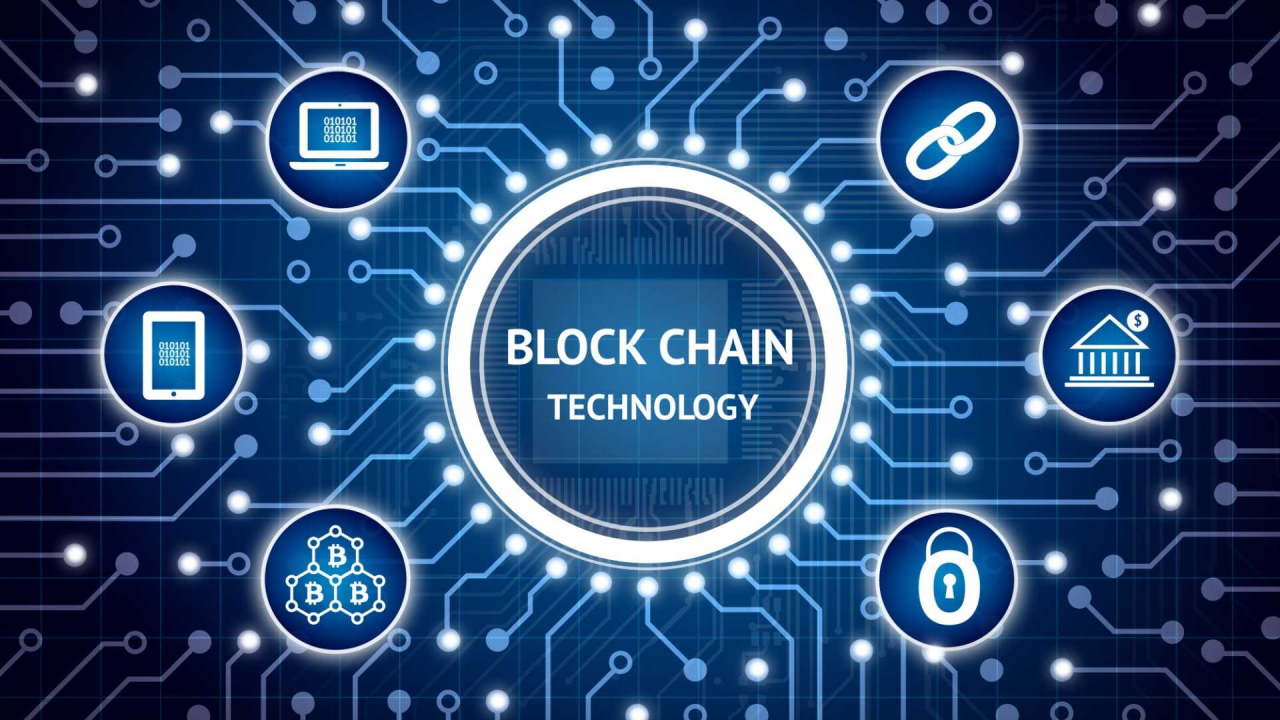
At its core, blockchain is a distributed ledger technology that enables the secure and transparent recording of transactions across multiple nodes or computers. Unlike traditional centralized systems, blockchain operates on a decentralized network, eliminating the need for intermediaries and enhancing trust among participants. Each transaction is recorded in a block, which is cryptographically linked to the previous block, forming a chain. This structure ensures the immutability and transparency of data, making blockchain an ideal solution for industries requiring high levels of security and accountability.
Revolutionizing the Financial Sector
The financial industry was among the first to recognize blockchain’s potential, leveraging its capabilities to streamline operations and enhance security. Blockchain technology has facilitated the rise of cryptocurrencies, offering a decentralized alternative to traditional currencies. Beyond cryptocurrencies, blockchain is transforming payment systems, enabling faster, cheaper, and more secure cross-border transactions. Smart contracts, self-executing contracts with the terms of the agreement directly written into code, are automating processes, reducing costs, and increasing efficiency in areas such as insurance, lending, and asset management.
Enhancing Security and Reducing Fraud
Blockchain’s inherent security features are addressing long-standing issues of fraud and cyber threats in the financial sector. By ensuring that each transaction is recorded and verified across a distributed network, blockchain makes it nearly impossible for malicious actors to alter or manipulate data. This level of transparency and security is crucial in reducing fraud, particularly in areas such as identity verification, where blockchain can provide a tamper-proof digital identity for individuals and organizations.
Transforming Supply Chain Management
Supply chain management is another area where blockchain is making significant inroads. Traditional supply chains are often plagued by inefficiencies, lack of transparency, and difficulties in tracking products from origin to destination. Blockchain technology addresses these challenges by providing real-time visibility into the supply chain, enabling all stakeholders to access a single source of truth.
Improving Traceability and Transparency
Blockchain enhances traceability by recording every transaction and movement of goods in the supply chain. This capability is particularly valuable in industries such as food and pharmaceuticals, where ensuring the authenticity and safety of products is paramount. By utilizing blockchain, companies can track the journey of a product from farm to table or manufacturer to retailer, providing consumers with greater confidence in the products they purchase.
Boosting Efficiency and Reducing Costs
By eliminating intermediaries and automating processes, blockchain reduces the administrative burden and costs associated with supply chain management. Smart contracts can automate tasks such as payments and inventory management, ensuring that transactions are executed promptly and accurately. This increased efficiency not only reduces costs but also minimizes the risk of human error, enhancing the overall reliability of the supply chain.
Revolutionizing Healthcare
The healthcare industry is increasingly turning to blockchain to address issues related to data security, interoperability, and patient privacy. With sensitive patient data often stored across disparate systems, ensuring its integrity and confidentiality is a major concern for healthcare providers. Blockchain offers a solution by enabling secure, decentralized storage and sharing of medical records.
Enhancing Data Security and Patient Privacy
Blockchain’s encryption and decentralized nature provide an added layer of security for sensitive medical data. By storing data across a distributed network, blockchain minimizes the risk of data breaches and unauthorized access. Patients can control who has access to their information, ensuring that their privacy is maintained while enabling healthcare providers to access the data they need to deliver effective care.
Facilitating Interoperability and Data Sharing
Interoperability is a significant challenge in healthcare, with different systems often unable to communicate effectively. Blockchain can facilitate interoperability by providing a standardized platform for data exchange. This capability ensures that healthcare providers have access to comprehensive and accurate patient information, improving decision-making and patient outcomes.
Driving Innovation in the Energy Sector
The energy sector is undergoing a transformation, with blockchain playing a pivotal role in promoting sustainability and decentralization. Traditional energy systems are often centralized, with a few major players controlling production and distribution. Blockchain is enabling a shift towards decentralized energy systems, where consumers can generate, trade, and sell energy directly to one another.
Enabling Peer-to-Peer Energy Trading
Blockchain facilitates peer-to-peer energy trading by providing a secure and transparent platform for transactions. Consumers with solar panels or other renewable energy sources can sell excess energy to their neighbors, creating a more efficient and sustainable energy ecosystem. This model not only reduces reliance on traditional energy providers but also incentivizes the adoption of renewable energy sources.
Enhancing Grid Management and Efficiency
Blockchain can improve grid management by providing real-time data on energy consumption and production. This information enables better demand forecasting and load balancing, reducing energy waste and improving overall grid efficiency. Additionally, blockchain can facilitate the integration of distributed energy resources, such as rooftop solar panels and wind turbines, into the grid, supporting the transition to a more sustainable energy future.
Conclusion
Blockchain technology is poised to revolutionize industries globally, offering solutions to some of the most pressing challenges faced by businesses today. Its potential to enhance security, transparency, and efficiency is transforming sectors such as finance, supply chain management, healthcare, and energy. As blockchain continues to evolve, its impact will likely extend to other areas, fostering innovation and driving economic growth. By unlocking blockchain’s potential, industries can harness its capabilities to create more resilient, transparent, and efficient systems, ultimately benefiting consumers and businesses alike.








Post Comment