Web3 Revolution: Transforming Digital Landscapes Today
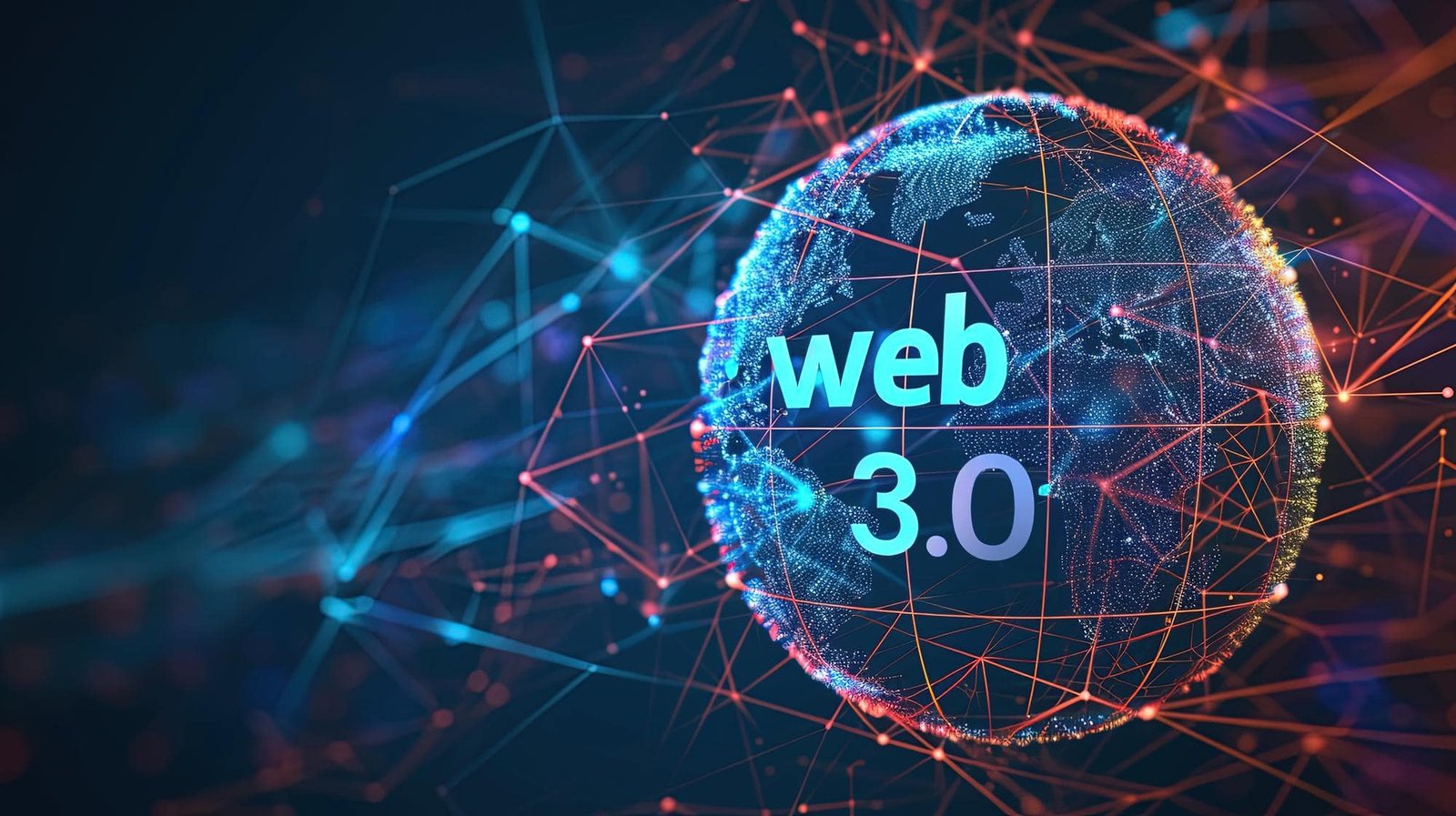
The digital revolution has been an ongoing phenomenon, continually reshaping the way we interact with technology and each other. In recent years, the term “Web3” has gained prominence, heralding a new era in the digital landscape. Unlike its predecessors, Web1 and Web2, which were characterized by static pages and user-generated content platforms, respectively, Web3 promises a decentralized, user-centric paradigm. This article delves into the Web3 revolution, exploring how it is transforming digital landscapes today, its core components, and its potential impact on various sectors.
The Evolution from Web1 to Web3
To fully grasp the significance of Web3, it’s essential to understand its predecessors. Web1, the early form of the internet, was primarily a read-only medium where users consumed content created by a limited number of producers. This era was marked by static websites and limited interactivity.
Web2, which emerged in the early 2000s, shifted the focus to user-generated content, social media, and dynamic web applications. This phase democratized content creation, allowing users to engage, collaborate, and share information. However, it also centralized power in the hands of a few tech giants, sparking concerns about data privacy, security, and the monopolization of online spaces.
Web3 seeks to address these concerns by decentralizing the internet. It leverages blockchain technology, smart contracts, and decentralized applications (dApps) to create a more equitable and user-controlled digital environment.
Key Components of Web3
Web3 is built upon several foundational components that differentiate it from previous iterations of the internet.
1. Blockchain Technology
At the heart of Web3 lies blockchain technology, a decentralized ledger that records transactions across multiple computers. This ensures transparency, security, and immutability, making it ideal for various applications beyond cryptocurrencies. Blockchains enable the creation of decentralized networks where no single entity has control, empowering users and fostering trust.
2. Smart Contracts
Smart contracts are self-executing contracts with the terms of the agreement directly written into code. They automatically enforce and execute actions when predefined conditions are met. This innovation reduces the need for intermediaries, streamlining processes and enhancing efficiency in sectors such as finance, supply chain, and real estate.
3. Decentralized Applications (dApps)
Decentralized applications, or dApps, are applications that run on a blockchain network rather than a centralized server. They offer greater transparency, security, and user control. From finance to gaming, dApps are revolutionizing industries by providing decentralized alternatives to traditional services.
4. Cryptocurrencies and Tokens
Cryptocurrencies and tokens are integral to the Web3 ecosystem. They facilitate transactions, incentivize user participation, and power decentralized networks. Beyond serving as digital currencies, tokens can represent assets, access rights, or even governance power within decentralized organizations.
Transforming Digital Landscapes
Web3’s transformative potential extends across various sectors, reshaping how businesses, governments, and individuals interact with technology.
1. Financial Services
The financial sector is witnessing a paradigm shift with the advent of decentralized finance (DeFi). Web3 enables the creation of open, permissionless financial systems that eliminate intermediaries, reducing costs and increasing accessibility. DeFi platforms offer lending, borrowing, trading, and yield farming services, providing users with unprecedented financial autonomy.
Moreover, Web3 paves the way for programmable money, allowing for innovative financial products and services. Smart contracts automate processes like insurance claims and escrow services, enhancing transparency and efficiency.
2. Digital Identity and Privacy
Web3 addresses growing concerns about digital identity and privacy. Traditional systems often require users to share personal information with multiple entities, increasing the risk of data breaches. Web3 introduces self-sovereign identity solutions, enabling individuals to control their data and share it selectively.
Blockchain-based identity systems enhance security and reduce identity theft, while zero-knowledge proofs allow users to verify information without revealing sensitive details. This shift empowers individuals to reclaim control over their digital identities and protect their privacy.
3. Content Creation and Ownership
In the Web2 era, content creators often faced challenges related to ownership, monetization, and censorship. Web3 offers a decentralized alternative, allowing creators to retain ownership of their work and directly connect with their audience. Non-fungible tokens (NFTs) enable artists, musicians, and writers to tokenize their creations, ensuring authenticity and facilitating direct sales.
Decentralized content platforms eliminate intermediaries, providing fairer compensation for creators and fostering a more diverse and inclusive digital ecosystem. This transformation empowers individuals to monetize their skills and creativity more effectively.
4. Governance and Decentralized Organizations
Web3 introduces decentralized governance models that enable communities to make collective decisions. Decentralized Autonomous Organizations (DAOs) operate on blockchain technology, allowing stakeholders to propose, vote on, and implement changes without centralized control.
DAOs democratize decision-making, enabling participants to have a say in the direction of projects and organizations. This innovation is reshaping industries such as finance, gaming, and philanthropy by promoting transparency, accountability, and inclusivity.
5. Supply Chain and Logistics
Web3 is revolutionizing supply chain and logistics by enhancing transparency and traceability. Blockchain technology enables the recording of every transaction and movement of goods, ensuring real-time visibility and reducing fraud.
Smart contracts automate processes like inventory management and quality control, minimizing human error and streamlining operations. This transformation enhances trust between stakeholders, reduces inefficiencies, and supports sustainable practices by enabling provenance tracking.
Challenges and Considerations
While Web3 holds immense promise, it also faces challenges that must be addressed for widespread adoption.
1. Scalability and Energy Consumption
Blockchain networks, particularly those based on proof-of-work consensus, face scalability and energy consumption issues. As Web3 applications grow, solutions such as layer 2 scaling and proof-of-stake mechanisms are being explored to enhance efficiency and reduce environmental impact.
2. User Experience and Accessibility
Web3 applications often require users to navigate complex interfaces and manage private keys, posing usability challenges. Improving user experience and making Web3 more accessible to non-technical users are crucial for broader adoption.
3. Regulatory and Legal Frameworks
The decentralized nature of Web3 presents regulatory challenges, as existing legal frameworks may not adequately address issues such as token classification, taxation, and cross-border transactions. Collaborative efforts between regulators, developers, and industry stakeholders are essential to create balanced regulatory environments.
4. Security and Trust
While blockchain technology offers enhanced security, vulnerabilities in smart contracts and dApps can still be exploited. Ensuring robust security practices, conducting audits, and educating users about potential risks are vital to fostering trust in the Web3 ecosystem.
Conclusion
The Web3 revolution is transforming digital landscapes by decentralizing power and empowering individuals. With its foundations in blockchain technology, smart contracts, and decentralized applications, Web3 offers innovative solutions to long-standing challenges in finance, identity, content creation, governance, and supply chain management.
As we navigate this new era, collaboration between developers, businesses, regulators, and users will be crucial to realizing Web3’s full potential. By addressing challenges related to scalability, usability, regulation, and security, we can build a more inclusive, transparent, and equitable digital future for all. The Web3 revolution is not just a technological shift; it is a movement towards a more decentralized and user-centric internet that holds the promise of reshaping our world.
#ChatGPT assisted in the creation of this article.












Post Comment