Understanding Blockchain: The Digital Ledger Revolution
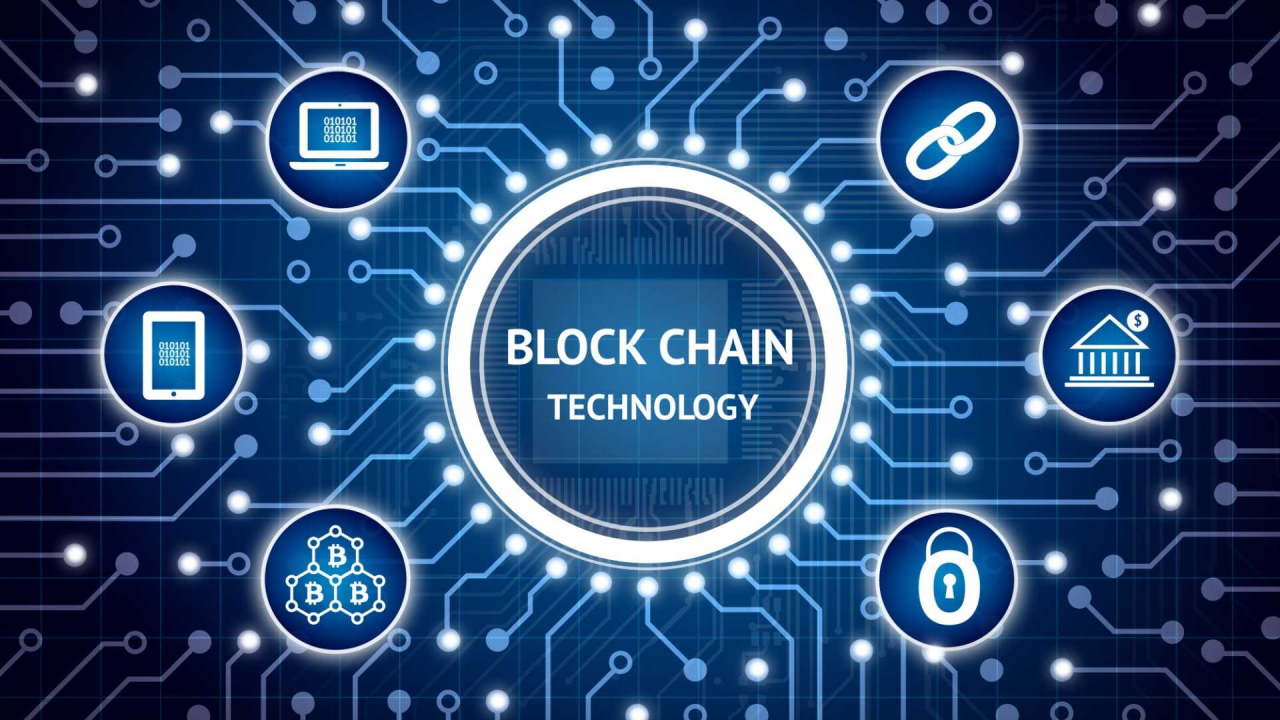
Blockchain technology has emerged as a groundbreaking innovation with the potential to reshape industries and transform the way we conduct transactions. Often associated with cryptocurrencies like Bitcoin, blockchain is much more than a platform for digital currencies. It is a decentralized, distributed ledger that offers transparency, security, and immutability. This article delves into the intricacies of blockchain technology, exploring its components, functioning, applications, and future potential.
What is Blockchain?
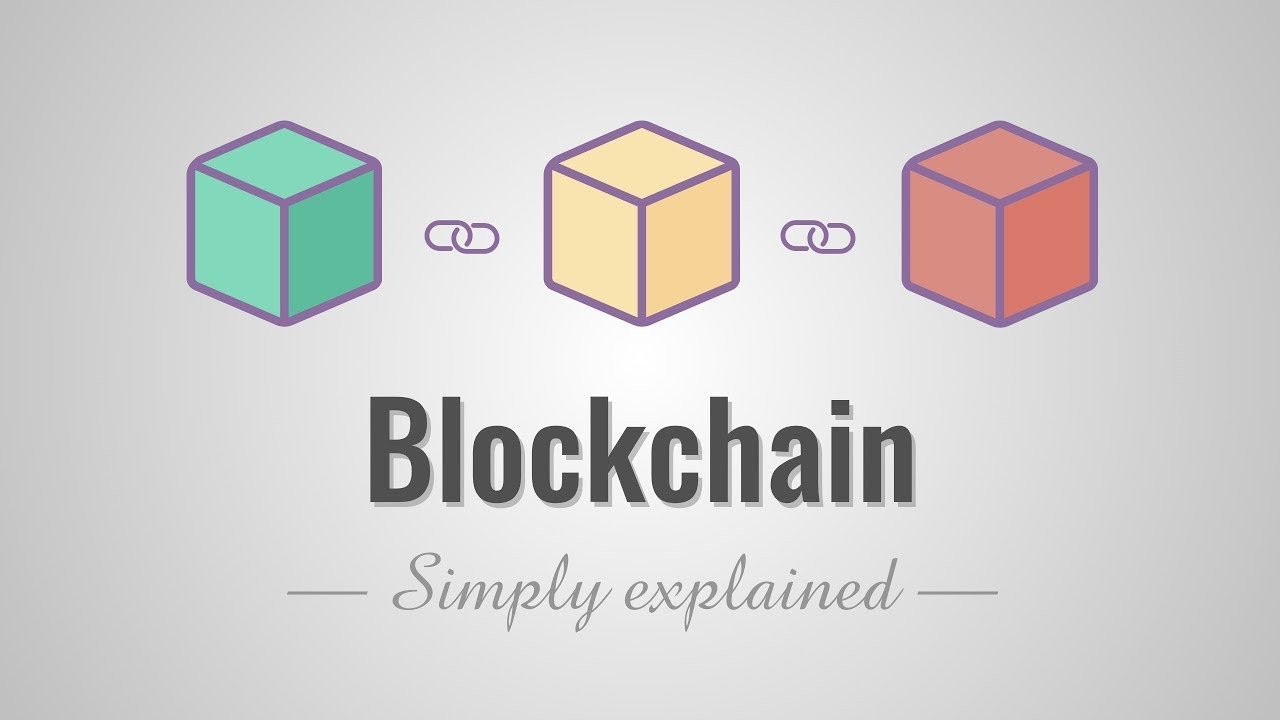
At its core, blockchain is a distributed database that maintains a continuously growing list of records, called blocks. Each block contains a timestamp and a link to the previous block, forming a chronological chain. This structure ensures that once data is recorded in a block, it cannot be altered retroactively without altering all subsequent blocks, making blockchain inherently secure.
The decentralized nature of blockchain means that no single entity has control over the entire blockchain network. Instead, it is maintained by a network of nodes, each possessing a copy of the entire blockchain. This decentralization ensures transparency and trust, as all transactions are visible and verifiable by any participant in the network.
How Blockchain Works
To understand how blockchain works, it’s essential to grasp the concept of a distributed ledger. Unlike traditional ledgers maintained by a central authority, a distributed ledger is shared across multiple locations and participants. In blockchain, each participant, or node, has an identical copy of the ledger, and any changes to the ledger are reflected across all copies simultaneously.
When a new transaction is initiated, it is broadcast to the network and validated by nodes through a consensus mechanism. The most common consensus mechanisms include Proof of Work (PoW) and Proof of Stake (PoS). Once validated, the transaction is grouped with other validated transactions to form a new block, which is then added to the chain. This process creates a permanent and immutable record of the transaction.
Key Features of Blockchain
Decentralization
Decentralization is the hallmark of blockchain technology. By distributing control across a network of nodes, blockchain eliminates the need for a central authority, reducing the risk of manipulation and single points of failure.
Transparency
Blockchain offers unparalleled transparency. All transactions are recorded on the blockchain and are accessible to all participants, fostering trust and accountability. This transparency is particularly valuable in industries where verifying authenticity and provenance is crucial.
Security
Blockchain employs advanced cryptographic techniques to secure data. Each block is linked to the previous block using a cryptographic hash, ensuring that any attempt to alter a block would require changes to all subsequent blocks. Additionally, the decentralized nature of blockchain makes it highly resilient to cyberattacks.
Immutability
Once a transaction is recorded on the blockchain, it cannot be altered or deleted. This immutability is achieved through the cryptographic linking of blocks and the consensus mechanisms that validate transactions. Immutability is a significant advantage for maintaining accurate and tamper-proof records.
Applications of Blockchain
Cryptocurrencies
The most well-known application of blockchain technology is in cryptocurrencies. Bitcoin, the first cryptocurrency, introduced blockchain to the world as a secure and transparent means of conducting financial transactions without the need for intermediaries. Since then, thousands of cryptocurrencies have been developed, each leveraging blockchain’s capabilities.
Supply Chain Management
Blockchain has the potential to revolutionize supply chain management by providing real-time visibility and traceability. Companies can track the movement of goods from production to delivery, ensuring transparency and combating counterfeiting. This visibility enhances efficiency and helps build trust with consumers.
Smart Contracts
Smart contracts are self-executing contracts with the terms of the agreement directly written into code. They automatically execute actions when predefined conditions are met. Blockchain provides the ideal platform for smart contracts, ensuring that they are tamper-proof and transparent. This innovation has applications in areas such as real estate, insurance, and finance.
Healthcare
In healthcare, blockchain can be used to securely store and share patient records. Patients can control access to their data, enhancing privacy and security. Blockchain also facilitates interoperability between different healthcare providers, improving the quality of care.
Voting Systems
Blockchain offers a solution to the challenges of secure and transparent voting systems. By providing an immutable and verifiable record of votes, blockchain can enhance the integrity of elections, reduce fraud, and increase voter confidence.
Challenges and Limitations
Despite its potential, blockchain technology is not without challenges. One significant hurdle is scalability. As more transactions are added to the blockchain, the size of the ledger increases, requiring more storage and processing power. This can lead to slower transaction speeds and higher costs.
Additionally, blockchain networks must strike a balance between decentralization, security, and scalability, known as the blockchain trilemma. Achieving all three simultaneously has proven difficult, with most blockchains prioritizing two at the expense of the third.
Regulatory and legal challenges also pose obstacles to widespread blockchain adoption. As governments and institutions grapple with the implications of decentralized systems, regulatory frameworks must evolve to accommodate this new technology.
The Future of Blockchain
The future of blockchain technology is promising, with numerous developments and innovations on the horizon. As scalability solutions, such as sharding and layer-2 protocols, continue to evolve, blockchain’s ability to handle large volumes of transactions will improve.
Interoperability between different blockchain networks is another area of focus. Projects are underway to enable seamless communication and data exchange between blockchains, unlocking new possibilities for decentralized applications.
Moreover, as industries continue to explore blockchain’s potential, we can expect to see increased adoption across sectors. From improving supply chain transparency to revolutionizing financial services, blockchain has the potential to drive significant change in the coming years.
Conclusion
Blockchain technology represents a digital ledger revolution with far-reaching implications. Its decentralized, transparent, and secure nature makes it a powerful tool for various applications, from cryptocurrencies to supply chain management and beyond. While challenges remain, the ongoing development and exploration of blockchain’s potential promise to reshape industries and redefine the way we conduct transactions. As we move forward, understanding and harnessing the capabilities of blockchain will be crucial in navigating the digital future.










Post Comment