Maximize Returns: Expert Tips for Altcoin Investing

The world of cryptocurrency is vast and dynamic, with Bitcoin leading the charge as the most recognized digital currency. However, the crypto landscape is teeming with a multitude of alternative coins, known as altcoins, which offer diversification and potentially lucrative returns for the savvy investor. Altcoins, which range from Ethereum to niche tokens, present unique opportunities and challenges. This article aims to provide expert tips for maximizing returns while investing in altcoins.
Understanding Altcoins
Before diving into investment strategies, it’s crucial to grasp what altcoins are. Altcoins, or alternative coins, are cryptocurrencies other than Bitcoin. They serve various purposes, from facilitating smart contracts (like Ethereum) to providing privacy (like Monero) and enhancing scalability (like Solana). Each altcoin operates on its own blockchain or is a token on an existing blockchain, with distinct features and use cases.
Types of Altcoins
1. **Stablecoins**: Pegged to stable assets such as fiat currencies, stablecoins like Tether (USDT) and USD Coin (USDC) offer reduced volatility.
2. **Utility Tokens**: These tokens, like Binance Coin (BNB), provide users with access to a product or service within a blockchain ecosystem.
3. **Security Tokens**: Representing ownership of an asset, security tokens are subject to securities regulations.
4. **Privacy Coins**: Coins like Monero (XMR) and Zcash (ZEC) focus on anonymous transactions.
5. **Governance Tokens**: Allow holders to vote on protocol changes, an example being Uniswap (UNI).
Research and Due Diligence
Investing in altcoins requires thorough research and due diligence. Unlike traditional investments, altcoins can be highly speculative, with values often influenced by market sentiment, technological advancements, and regulatory changes.
Analyze the Whitepaper
An altcoin’s whitepaper provides insights into its purpose, technology, and roadmap. Evaluate the project’s goals, use cases, and the team behind it. A well-documented whitepaper is a positive indicator of a serious project.
Examine the Team
The credibility and expertise of a project’s team can significantly impact its success. Look for experienced developers, advisors, and partners. Research their backgrounds and track records in the crypto industry.
Community and Market Sentiment
A strong and active community is often a good sign of a healthy project. Engage with the community on platforms like Reddit, Twitter, and Telegram to gauge sentiment and gather insights.
Risk Management and Diversification
Altcoin investments carry inherent risks due to market volatility and regulatory uncertainty. Implementing effective risk management strategies is crucial to protect your portfolio.
Diversify Your Portfolio
Avoid putting all your eggs in one basket. Diversifying across different altcoins can mitigate risks and increase potential returns. Consider a mix of large-cap, mid-cap, and small-cap coins to balance stability and growth potential.
Set Stop-Loss Orders
To limit potential losses, use stop-loss orders. These are automated instructions to sell a coin when it reaches a predetermined price, helping you minimize losses during market downturns.
Stay Updated with Market Trends
The crypto market is highly dynamic, with trends changing rapidly. Stay informed about regulatory developments, technological advancements, and macroeconomic factors that could impact altcoin prices.
Long-Term vs. Short-Term Strategies
Deciding between a long-term or short-term investment strategy is crucial for altcoin investors. Each approach has its advantages and risks.
Long-Term Holding (HODLing)
HODLing involves buying and holding altcoins for an extended period, often years. This strategy is based on the belief that the coin’s value will appreciate over time as the underlying technology and adoption grow.
– **Pros**: Potential for significant gains, reduced stress from daily market fluctuations.
– **Cons**: Requires patience and resilience during market swings.
Short-Term Trading
Short-term trading involves capitalizing on market volatility to make quick profits. This strategy requires active monitoring of market trends and technical analysis.
– **Pros**: Opportunities for quick gains, flexibility to react to market changes.
– **Cons**: High risk, requires time and expertise.
Technical and Fundamental Analysis
Both technical and fundamental analysis are essential tools for making informed investment decisions in the altcoin market.
Technical Analysis
Technical analysis involves studying price charts, patterns, and indicators to predict future price movements. Key indicators include moving averages, RSI (Relative Strength Index), MACD (Moving Average Convergence Divergence), and Fibonacci retracement levels.
Fundamental Analysis
Fundamental analysis focuses on evaluating an altcoin’s intrinsic value by examining factors like technology, team, partnerships, and market demand. This approach helps assess whether a coin is undervalued or overvalued.
Security and Storage
Safeguarding your altcoin investments is paramount. Cryptocurrency exchanges and wallets are vulnerable to hacks, and losing access to your funds can be catastrophic.
Use Secure Wallets
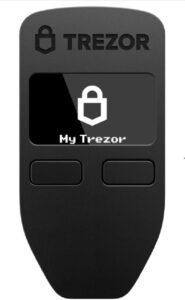
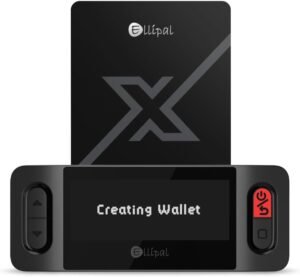
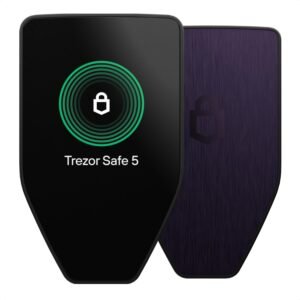
Store your altcoins in secure wallets, such as hardware wallets (e.g., Ledger, Trezor) or reputable software wallets. Hardware wallets provide offline storage, reducing the risk of hacks.
Enable Two-Factor Authentication
Enhance the security of your exchange accounts and wallets by enabling two-factor authentication (2FA). This adds an extra layer of protection against unauthorized access.
Tax Considerations
Cryptocurrency investments are subject to taxation in many jurisdictions. Understanding the tax implications of your altcoin investments is essential to avoid legal issues.
Track Your Transactions
Keep detailed records of all your transactions, including purchases, sales, and transfers. This information is crucial for accurately calculating your tax liability.
Consult a Tax Professional
Given the complexity of crypto taxation, consult a tax professional familiar with cryptocurrency regulations in your jurisdiction. They can provide guidance on compliance and tax optimization strategies.
Conclusion
Altcoin investing offers exciting opportunities for those willing to navigate the complexities of the crypto market. By conducting thorough research, diversifying your portfolio, and employing sound risk management strategies, you can maximize returns while minimizing risks. Whether you choose to hold for the long term or trade for short-term gains, staying informed and secure is key to success in the world of altcoins. As with any investment, always be prepared for volatility and remember that investing in altcoins should align with your overall financial goals and risk tolerance.









Post Comment