Mastering Crypto Portfolio Management for Maximum Gains

The world of cryptocurrency investing is both exciting and daunting. With thousands of cryptocurrencies available and new projects continuously emerging, managing a crypto portfolio can be overwhelming for both novices and experienced investors. However, mastering crypto portfolio management is crucial for maximizing gains and minimizing risks. In this article, we’ll delve into the strategies and principles essential for effective crypto portfolio management.
Diversification: The Cornerstone of Portfolio Management
Diversification is a fundamental principle in traditional investing, and it carries over into cryptocurrency investing as well. A well-diversified portfolio reduces risk by spreading investments across various assets. In the crypto space, this means not putting all your funds into a single cryptocurrency. Instead, consider allocating your investments across different types of cryptocurrencies, such as:
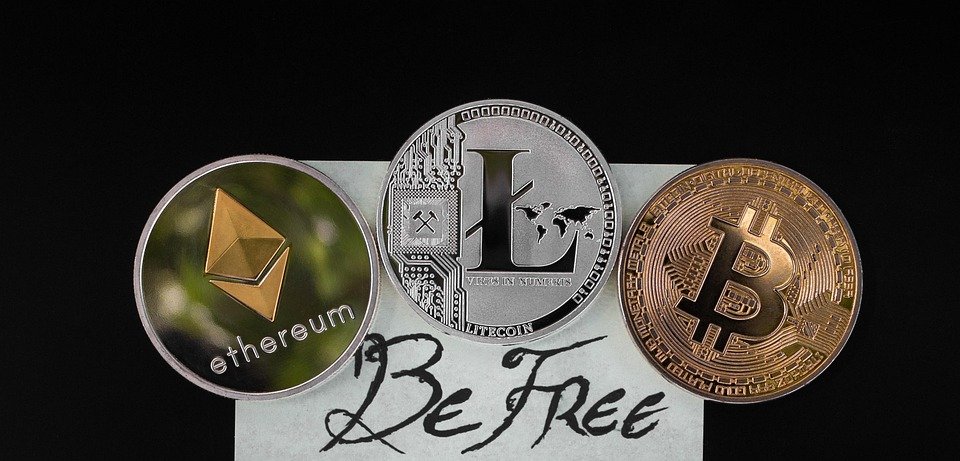
- Large-cap cryptocurrencies: These are well-established coins like Bitcoin and Ethereum, which are considered relatively stable compared to smaller coins.
- Mid and small-cap cryptocurrencies: These coins offer higher growth potential but come with increased risk.
- Stablecoins: Cryptocurrencies pegged to stable assets like the US dollar can provide a cushion during market volatility.
- Emerging projects: Investing in new and promising projects can yield substantial returns if they succeed.
Risk Management: Balancing Risk and Reward
In the volatile world of cryptocurrencies, risk management is paramount. Understanding your risk tolerance is the first step. Are you a conservative investor seeking stability, or are you willing to take on higher risks for the potential of greater rewards? Your risk tolerance will dictate your investment strategy and asset allocation.
Here are some risk management strategies to consider:
- Position sizing: Limit the amount of capital allocated to any single investment to avoid catastrophic losses.
- Stop-loss orders: Set predefined sell orders to automatically exit a position if it falls below a certain price, protecting you from significant losses.
- Rebalancing: Regularly review and adjust your portfolio to maintain your desired asset allocation and risk level.
Research and Due Diligence: The Key to Informed Investing
Thorough research is the backbone of successful crypto investing. Before adding any asset to your portfolio, conduct comprehensive due diligence. Here are some factors to consider:
- Project fundamentals: Evaluate the project’s whitepaper, team, technology, and roadmap to assess its potential.
- Market trends: Stay informed about market trends and news that can impact the value of your investments.
- Community and adoption: A strong and active community can be indicative of a project’s long-term viability.
- Regulatory environment: Be aware of the regulatory landscape in your jurisdiction and how it might affect your investments.
Long-Term vs. Short-Term Strategies
Crypto investors often debate the merits of long-term versus short-term investment strategies. Each approach has its advantages and challenges:
Long-Term Investing
Long-term investing, or “HODLing,” involves holding onto assets for an extended period, often years, to benefit from potential long-term price appreciation. This strategy requires patience and a strong belief in the underlying value of the assets.
Advantages of long-term investing include reduced transaction costs, tax benefits, and the ability to ride out market volatility. However, it also requires a high level of conviction and the ability to withstand prolonged periods of market downturns.
Short-Term Trading
Short-term trading involves buying and selling assets within shorter time frames, ranging from minutes to months, to capitalize on price fluctuations. This approach requires active monitoring of the markets and a willingness to act quickly.
Short-term trading can be lucrative, but it also involves higher transaction costs, increased exposure to market volatility, and the need for a sound trading strategy. Traders often use technical analysis, indicators, and charts to make informed decisions.
Tools and Platforms for Effective Portfolio Management
Managing a crypto portfolio effectively requires the right tools and platforms. Here are some options to consider:
- Portfolio trackers: Tools like CoinTracking, Delta, and Blockfolio help you monitor your portfolio’s performance and track price changes in real-time.
- Exchanges: Choose reputable exchanges with robust security measures to execute trades and store your assets safely.
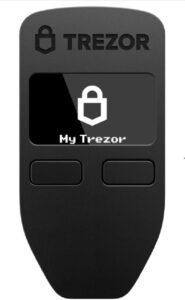
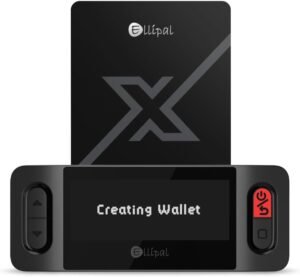
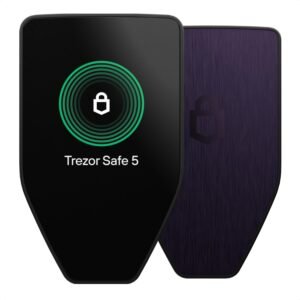
- Wallets: Use secure wallets, such as hardware wallets, to store your cryptocurrencies offline and protect them from hackers.
- News aggregators: Stay updated with the latest news and developments in the crypto world through platforms like CoinDesk and CryptoSlate.
Psychological Aspects of Portfolio Management
The psychological aspect of investing is often underestimated but plays a significant role in portfolio management. Emotional decision-making can lead to poor investment choices, such as panic selling during market downturns or FOMO (Fear of Missing Out) buying during market rallies.
To master the psychological aspects of investing, consider the following:
- Develop a clear investment plan: A well-defined strategy helps you stay focused and avoid impulsive decisions.
- Set realistic goals: Establish achievable objectives and be prepared for setbacks along the way.
- Maintain discipline: Stick to your investment plan and avoid getting swayed by short-term market noise.
- Learn from mistakes: Analyze your past investment decisions to identify areas for improvement and growth.
Tax Implications and Legal Considerations
Crypto investors must be aware of the tax implications and legal considerations associated with their investments. Cryptocurrency transactions may be subject to capital gains tax, and the rules can vary significantly depending on your jurisdiction.
To navigate these complexities, consider consulting with a tax professional knowledgeable about cryptocurrency regulations. Additionally, ensure that you comply with any reporting requirements and keep accurate records of your transactions.
Conclusion: Achieving Mastery in Crypto Portfolio Management
Mastering crypto portfolio management requires a combination of knowledge, discipline, and the right tools. By diversifying your portfolio, managing risk effectively, conducting thorough research, and remaining informed about market trends, you can maximize your gains while minimizing potential losses.
Whether you choose to adopt a long-term or short-term investment strategy, maintain a clear plan and remain disciplined in your approach. Embrace the psychological aspects of investing, stay informed about tax implications, and leverage the tools and platforms available to optimize your portfolio management.
Ultimately, achieving mastery in crypto portfolio management is a journey that requires continuous learning and adaptation. By staying committed to your investment strategy and keeping your emotions in check, you can navigate the dynamic world of cryptocurrency investing with confidence and success.
#ChatGPT assisted in the creation of this article.









Post Comment