Enhancing Blockchain Security: Top Strategies Unveiled

Blockchain technology has revolutionized the digital landscape by offering decentralized, transparent, and secure systems for various applications, from cryptocurrency to supply chain management. However, like any other technology, blockchain is not immune to security threats. As blockchain platforms gain popularity, ensuring their security becomes paramount to protect sensitive data and maintain user trust. This article delves into the top strategies for enhancing blockchain security, ensuring its robust architecture is resistant to attacks and vulnerabilities.
Understanding Blockchain Security
Blockchain security refers to the measures and protocols implemented to safeguard a blockchain network from malicious attacks, fraud, and unauthorized access. The decentralized and immutable nature of blockchain provides inherent security benefits. However, the increasing sophistication of cyber-attacks necessitates the implementation of additional security measures. Key aspects of blockchain security include consensus mechanisms, encryption, and access control.
Key Security Concerns in Blockchain
Despite its robust structure, blockchain technology faces several security challenges:
1. 51% Attacks
A 51% attack occurs when a single entity gains control over more than half of the network’s hashing power, allowing them to manipulate transactions and potentially double-spend coins. This is a significant threat, especially for smaller blockchain networks with lower hashing power.
2. Smart Contract Vulnerabilities
Smart contracts are self-executing contracts with the terms of the agreement directly written into code. While they offer automation and efficiency, they are also susceptible to coding errors and vulnerabilities, which can be exploited by malicious actors.
3. Sybil Attacks
In a Sybil attack, a single adversary creates multiple fake identities to gain a majority influence over the network. This can disrupt the consensus mechanism and potentially lead to fraudulent activities.
4. Phishing
Phishing attacks involve tricking users into revealing their private keys or sensitive information through fraudulent websites or communications, leading to unauthorized access to their blockchain accounts.
5. Endpoint Vulnerabilities
The devices and applications used to access blockchain networks, such as wallets and exchanges, can be vulnerable to security breaches, compromising the integrity of the entire blockchain ecosystem.
Top Strategies for Enhancing Blockchain Security
To mitigate these risks, several strategies can be employed to enhance blockchain security. These strategies encompass both technological advancements and best practices for secure implementation.
1. Advanced Consensus Mechanisms
Consensus mechanisms are integral to maintaining the integrity and security of a blockchain network. While Proof of Work (PoW) and Proof of Stake (PoS) are popular, newer mechanisms such as Practical Byzantine Fault Tolerance (PBFT) and Delegated Proof of Stake (DPoS) offer improved security and efficiency. These mechanisms enhance security by reducing the risk of 51% attacks and increasing fault tolerance.
2. Smart Contract Audits
Conducting thorough audits of smart contracts is crucial to identifying and rectifying vulnerabilities before deployment. Security firms specializing in blockchain technology can provide detailed analyses and suggest improvements, minimizing the risk of exploits.
3. Multi-Signature Authentication
Implementing multi-signature authentication adds an extra layer of security by requiring multiple private keys to authorize a transaction. This reduces the risk of unauthorized access and ensures that no single entity can unilaterally control a blockchain account.
4. Secure Private Key Management
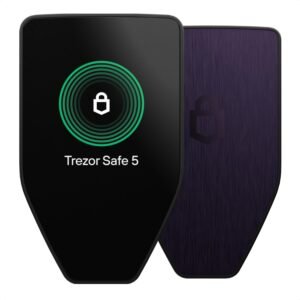
The security of a blockchain account is heavily dependent on the protection of private keys. Employing hardware wallets, cold storage solutions, and secure key management practices are essential to prevent unauthorized access and key compromise.
5. Regular Security Audits and Penetration Testing
Regular security audits and penetration testing help identify potential vulnerabilities and weaknesses in the blockchain infrastructure. By simulating attacks, organizations can assess their security posture and implement necessary improvements.
6. Decentralized Identity Solutions
Decentralized identity solutions provide users with control over their personal data, reducing the risk of data breaches and identity theft. These solutions leverage blockchain’s inherent security features to enhance privacy and security.
7. Enhanced Data Encryption
Implementing advanced encryption techniques ensures that data stored on the blockchain is secure and only accessible by authorized parties. End-to-end encryption, along with cryptographic hashing, enhances data integrity and confidentiality.
8. Use of Oracles with Caution
Oracles connect blockchain networks with external data sources, enabling smart contracts to interact with real-world data. However, they can be points of vulnerability if not properly secured. Employing decentralized oracles and verifying data authenticity are crucial measures.
Emerging Technologies and Future Trends
As blockchain technology evolves, new security measures and innovations continue to emerge to address existing challenges and anticipate future threats.
1. Quantum-Resistant Cryptography
The advent of quantum computing poses a potential threat to current cryptographic algorithms. Quantum-resistant cryptography aims to develop algorithms that can withstand quantum attacks, ensuring long-term security for blockchain networks.
2. Zero-Knowledge Proofs
Zero-knowledge proofs (ZKPs) allow for the verification of information without revealing the actual data. This technology enhances privacy and security on blockchain networks by enabling secure and private transactions.
3. Interoperability Protocols
Interoperability protocols enable different blockchain networks to communicate and share information securely. By facilitating cross-chain interactions, these protocols enhance the overall security and functionality of blockchain ecosystems.
Conclusion
Enhancing blockchain security is a continuous process that requires a multifaceted approach, combining technological innovations with best practices. As blockchain technology continues to gain traction across various industries, prioritizing its security will be vital to maintaining its integrity and trustworthiness. By implementing advanced consensus mechanisms, conducting regular audits, and embracing emerging technologies, organizations can safeguard their blockchain networks against evolving threats and ensure a secure digital future.
#ChatGPT assisted in the creation of this article.












Post Comment