Mastering Crypto: Your Ultimate Investment Guide

Cryptocurrency has rapidly evolved from a niche topic to a mainstream investment opportunity. Despite its volatility, the potential for high returns has attracted both novice and seasoned investors. This guide aims to provide a comprehensive overview of cryptocurrency investing, offering insights into the market, strategies for investment, and the risks involved.
Understanding Cryptocurrencies
What is Cryptocurrency?
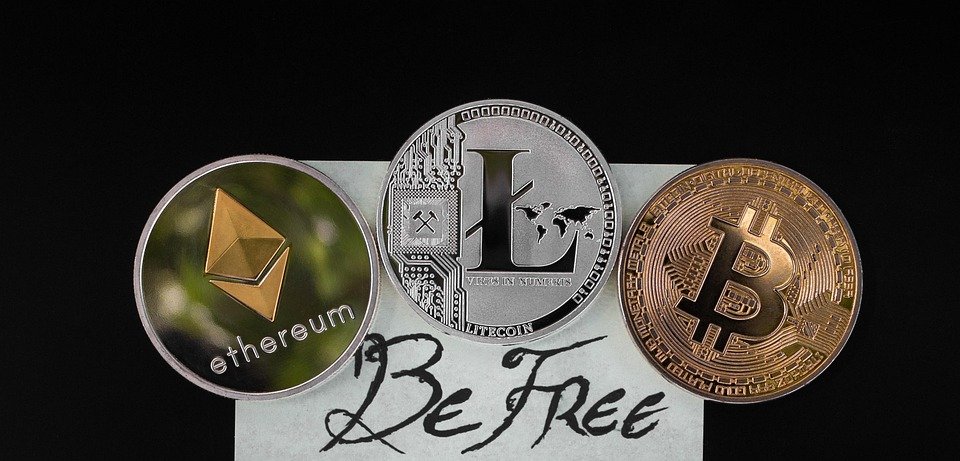
Cryptocurrency is a digital or virtual currency that uses cryptography for security. Unlike traditional currencies issued by governments, cryptocurrencies operate on decentralized networks based on blockchain technology. The most well-known cryptocurrency is Bitcoin, but thousands of alternatives, known as altcoins, exist, including Ethereum, Ripple, and Litecoin.
How Blockchain Works
Blockchain is the underlying technology that makes cryptocurrency possible. It is a distributed ledger that records all transactions across a network of computers. Each block in the chain contains a list of transactions, and once a block is completed, it is added to the chain in a linear, chronological order. This technology ensures transparency and security, as altering any information on the blockchain requires consensus across the network.
Getting Started with Crypto Investment
Choosing the Right Exchange
To start investing in cryptocurrencies, you need to choose a reliable cryptocurrency exchange. Some of the most popular exchanges include Coinbase, Binance, and Kraken. When selecting an exchange, consider factors such as security features, ease of use, supported cryptocurrencies, and fee structures.
Setting Up Your Digital Wallet
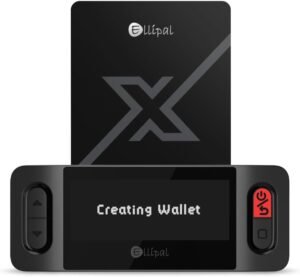
A digital wallet is essential for storing and managing your cryptocurrency holdings. Wallets can be hot (online) or cold (offline) and vary in terms of security and convenience. Popular wallet options include hardware wallets like Ledger and Trezor, and software wallets such as Exodus and MetaMask.
Investment Strategies
Buy and Hold (HODL)
The Buy and Hold strategy, often referred to as HODLing in the crypto world, involves purchasing cryptocurrencies and holding them for the long term. Investors using this strategy believe in the future value of their chosen assets and are not swayed by short-term market fluctuations. This approach requires patience and a strong belief in the potential of blockchain technology.
Day Trading
Day trading involves buying and selling cryptocurrencies within short timeframes, often within the same day, to capitalize on market volatility. This strategy requires a deep understanding of the market, technical analysis skills, and a significant time commitment. While it can yield substantial returns, it also comes with high risks.
Staking and Yield Farming
Staking and yield farming are strategies that allow investors to earn passive income on their crypto holdings. Staking involves participating in a network’s consensus mechanism by locking up coins, thus earning rewards. Yield farming, on the other hand, involves lending your assets on decentralized finance (DeFi) platforms to earn interest or additional tokens.
Risk Management
Volatility and Market Fluctuations
Cryptocurrency markets are known for their volatility, with prices capable of significant swings in short periods. Investors must be prepared for this volatility and have a risk management strategy in place. Diversifying your portfolio and investing only what you can afford to lose are fundamental practices.
Security Risks
Security is a paramount concern in the crypto space. Investors must be vigilant against threats such as hacking, phishing, and scams. Always use secure exchanges, enable two-factor authentication, and store your assets in reputable wallets. Keeping your private keys secure is crucial to safeguarding your investments.
Regulations and Legal Considerations
Understanding Regulations
The regulatory environment for cryptocurrencies varies significantly across different countries. It is essential for investors to be aware of the legal status of cryptocurrencies in their jurisdiction. Some governments have embraced crypto, while others impose strict regulations or outright bans.
Tax Implications
Cryptocurrency transactions can have tax implications. Many countries consider cryptocurrencies as taxable assets, requiring investors to report gains and losses. Understanding the tax regulations in your area and maintaining accurate records of your transactions is important to ensure compliance.
The Future of Cryptocurrency Investment
Emerging Trends
The crypto landscape is constantly evolving, with new trends and technologies emerging regularly. Some of the current trends include the rise of NFTs (non-fungible tokens), the growth of decentralized finance (DeFi), and the increasing interest in central bank digital currencies (CBDCs). Staying informed about these trends can provide valuable insights for future investments.
Long-term Potential
Despite its challenges, the long-term potential of cryptocurrency remains significant. As blockchain technology continues to mature, it could transform various industries, including finance, supply chain, and healthcare. Investors who recognize and capitalize on these opportunities stand to benefit in the future.
Conclusion
Mastering crypto investing requires a combination of knowledge, strategy, and risk management. By understanding the basics of cryptocurrencies, exploring different investment strategies, and staying informed about market trends and regulations, investors can navigate the complex crypto landscape and capitalize on its potential. As with any investment, due diligence, and careful planning are essential to achieving success in the world of cryptocurrency.











Post Comment