Top Layer 1 Altcoins Revolutionizing Blockchain Technology
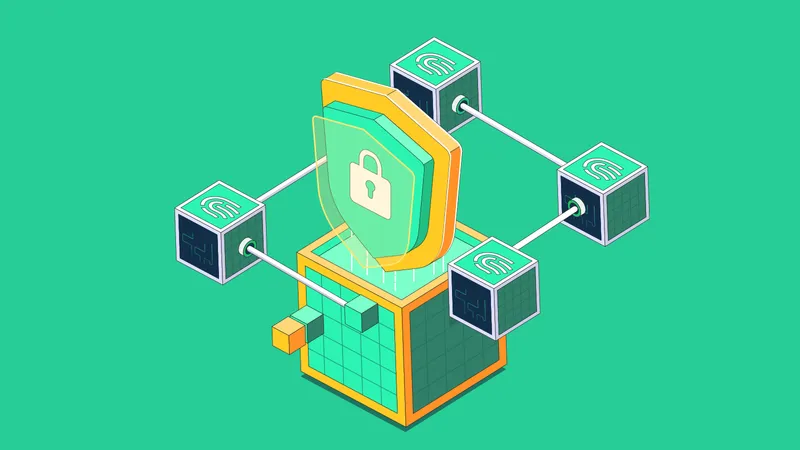
Blockchain technology has transformed the digital landscape, offering decentralized solutions across various industries. Layer 1 blockchains, often referred to as foundational or base layer blockchains, are the original networks that provide the underlying infrastructure for decentralized applications (dApps) and other blockchain-based functionalities. These platforms support the creation and execution of smart contracts, the transfer of digital assets, and enable decentralized finance (DeFi) solutions.
In the ever-evolving world of blockchain technology, several Layer 1 altcoins have emerged as frontrunners, each bringing unique innovations and improvements over traditional blockchain systems. This article explores some of the top Layer 1 altcoins revolutionizing the blockchain ecosystem.
Ethereum: The Pioneer of Smart Contracts
Ethereum is arguably the most well-known Layer 1 blockchain after Bitcoin, credited with introducing the concept of smart contracts. Launched in 2015 by Vitalik Buterin, Ethereum has become the go-to platform for developers building decentralized applications. Its native cryptocurrency, Ether (ETH), is utilized for transaction fees and computational services on the network.
Ethereum’s significance lies in its versatility and the vibrant ecosystem it supports. The Ethereum Virtual Machine (EVM) allows developers to build and deploy smart contracts with ease, fostering innovation across sectors such as DeFi, non-fungible tokens (NFTs), and more. While Ethereum has faced challenges like scalability and high transaction fees, its transition to Ethereum 2.0 and the implementation of Proof of Stake (PoS) aim to address these issues.
Solana: Speed and Scalability Redefined
Solana has gained considerable attention for its high throughput and low-latency blockchain platform. Launched in 2020, Solana is designed to provide a scalable solution without compromising on security or decentralization. With its unique Proof of History (PoH) consensus mechanism, Solana can process thousands of transactions per second, making it one of the fastest Layer 1 blockchains.
This speed and efficiency have attracted developers and projects to build on Solana, resulting in a rapidly growing ecosystem. Solana’s ability to handle high-frequency trading, gaming applications, and real-time interactions makes it a formidable competitor in the blockchain space. Its native token, SOL, is used for transaction fees and staking, incentivizing network participants.
Polkadot: Interoperability at Its Core
Polkadot is an innovative Layer 1 blockchain focused on solving the issue of interoperability among different blockchains. Founded by Dr. Gavin Wood, one of Ethereum’s co-founders, Polkadot enables various blockchains to communicate and share information seamlessly. Its multi-chain framework allows for the creation of specialized blockchains, known as parachains, that connect to a central relay chain.
By fostering interoperability, Polkadot aims to create an internet of blockchains, where data and assets can move freely across networks. This approach enhances scalability and fosters collaboration among diverse blockchain projects. The DOT token is integral to Polkadot’s ecosystem, used for governance, staking, and bonding parachains.
Cardano: A Research-Driven Approach
Cardano stands out for its research-driven approach to blockchain development. Founded by Charles Hoskinson, another Ethereum co-founder, Cardano aims to create a sustainable and scalable network using evidence-based methodologies. Cardano’s development is guided by rigorous academic research and peer-reviewed protocols.
The platform’s native cryptocurrency, ADA, supports transactions and smart contracts within the Cardano ecosystem. Cardano’s unique consensus mechanism, Ouroboros, is a Proof of Stake protocol designed to be secure and energy-efficient. With a focus on scalability, interoperability, and sustainability, Cardano is poised to address some of the most pressing challenges facing the blockchain industry.
Algorand: Bridging Decentralization and Performance
Algorand is a Layer 1 blockchain that emphasizes both decentralization and performance. Founded by Turing Award-winning cryptographer Silvio Micali, Algorand employs a unique Pure Proof of Stake (PPoS) consensus mechanism. This approach ensures fast and secure transactions while maintaining a high level of decentralization.
Algorand’s architecture supports a wide range of applications, from DeFi to supply chain management. Its native token, ALGO, is used for transactions, governance, and rewards for network participants. Algorand’s focus on scalability and sustainability makes it an attractive platform for developers and businesses seeking efficient blockchain solutions.
Tezos: On-Chain Governance and Upgradability
Tezos distinguishes itself with its self-amending protocol and on-chain governance model. Launched in 2018, Tezos allows stakeholders to propose and vote on protocol upgrades, ensuring the network can evolve without hard forks. This governance model fosters a collaborative and adaptive ecosystem.
The Tezos blockchain supports smart contracts and decentralized applications, with a focus on formal verification to enhance security. Its native cryptocurrency, XTZ, is used for staking and participating in the governance process. Tezos’ commitment to upgradability and community-driven development positions it as a robust Layer 1 blockchain.
Conclusion: The Future of Layer 1 Altcoins
The landscape of Layer 1 blockchains continues to evolve, driven by the need for scalability, security, and innovation. Each of the altcoins discussed—Ethereum, Solana, Polkadot, Cardano, Algorand, and Tezos—brings unique strengths and approaches to address the diverse challenges facing the blockchain industry.
As blockchain technology matures, the success of these Layer 1 blockchains will depend on their ability to adapt to changing demands, foster developer ecosystems, and drive mainstream adoption. With ongoing advancements and collaborations, these altcoins are well-positioned to revolutionize blockchain technology and shape the future of decentralized economies.










Post Comment