Mastering Crypto Risk Management: Essential Strategies Revealed

In the rapidly evolving landscape of cryptocurrency investing, managing risk is a critical component of success. Cryptocurrencies, with their high volatility and potential for significant returns, also come with substantial risks. For investors keen on navigating this unpredictable market, mastering risk management is not just advisable—it’s essential. This article reveals key strategies to manage and mitigate risks in crypto investing effectively.
Understanding the Crypto Market
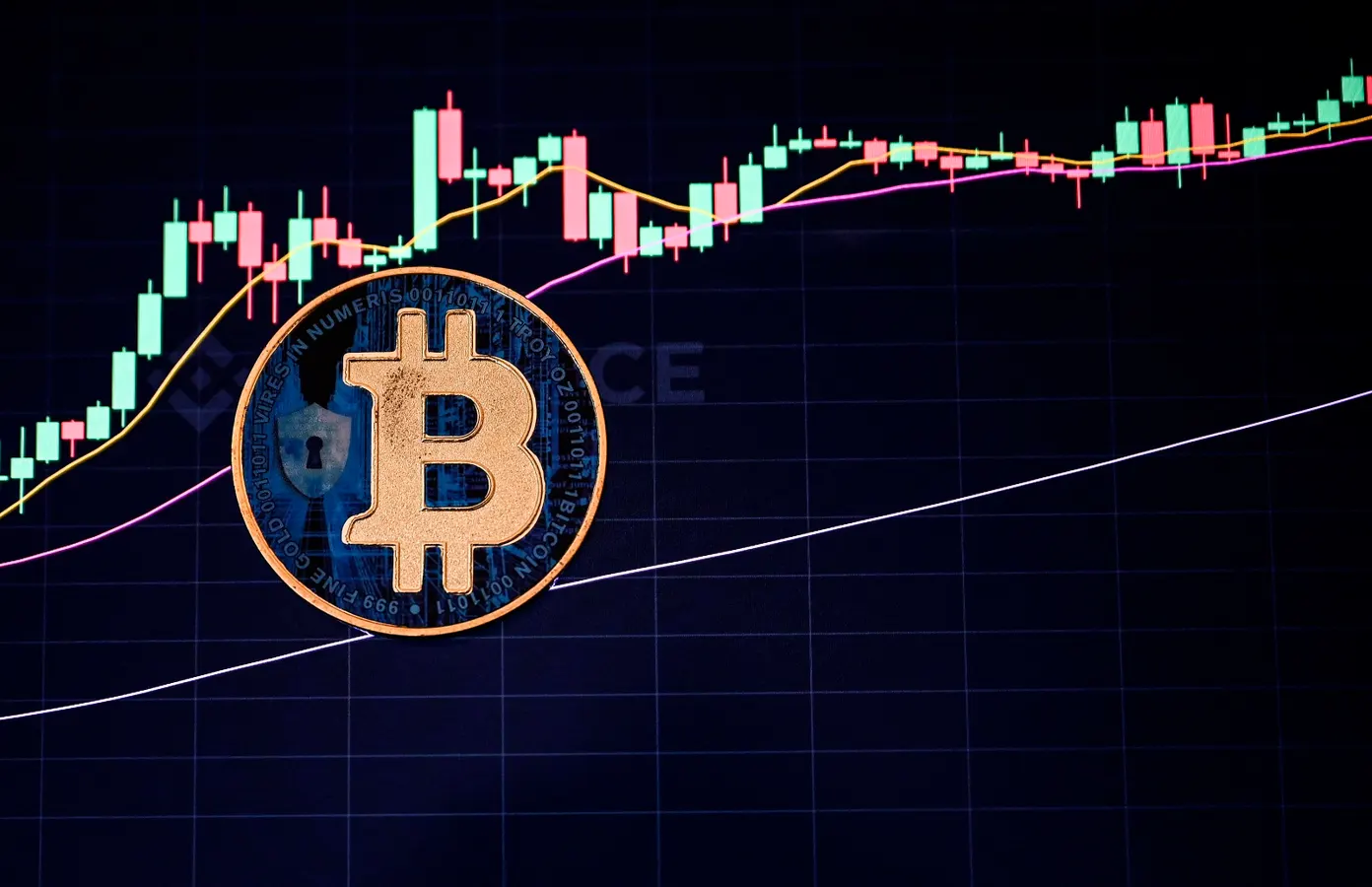
Before delving into risk management strategies, it’s vital to understand the characteristics that define the crypto market. Unlike traditional financial markets, cryptocurrencies operate 24/7, are influenced by a myriad of global factors, and often lack regulation, which contributes to their volatility. The decentralized nature of cryptocurrencies can lead to rapid price fluctuations, making them both enticing and hazardous for investors.
Importance of Risk Management
Risk management is the process of identifying, analyzing, and mitigating uncertainty in investment decisions. In the context of crypto investing, it involves developing strategies to protect your portfolio from significant losses. The objective is not to eliminate risk entirely—an impossible feat—but to understand and manage it in a way that aligns with your investment goals and risk tolerance.
Diversification: The Cornerstone of Risk Management
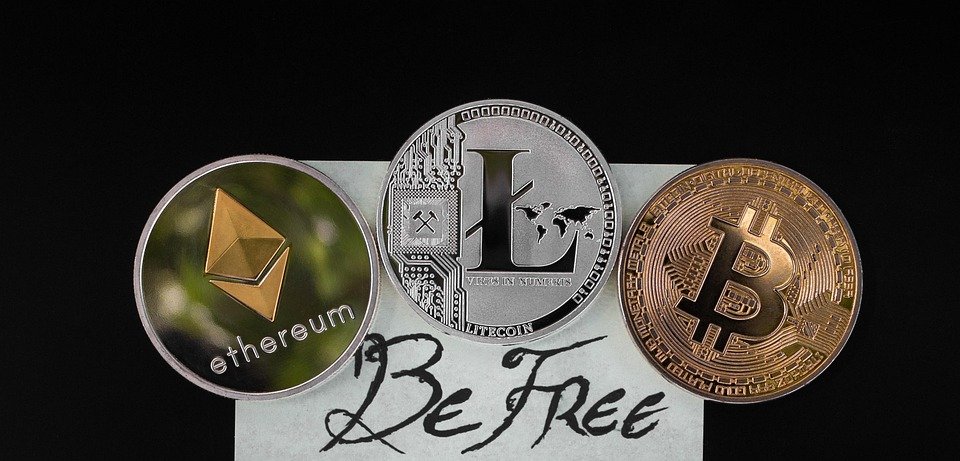
Diversification is a fundamental strategy in risk management. By spreading investments across a variety of crypto assets, investors can reduce the impact of a poor-performing asset on their overall portfolio. While diversifying within the cryptocurrency market, consider including a mix of major coins like Bitcoin and Ethereum, alongside promising altcoins. This approach helps mitigate the risk of any single asset significantly affecting the portfolio’s value.
Setting Clear Investment Goals
Before entering the crypto market, it’s crucial to establish clear investment goals. Are you investing for short-term gains, long-term growth, or a combination of both? Defining your objectives helps in determining the level of risk you’re willing to take and the strategies you need to employ. Clear goals act as a guide, assisting you in making informed decisions and avoiding impulsive actions driven by market hype.
Risk Assessment and Tolerance
Understanding your risk tolerance is paramount in developing a risk management strategy. Risk tolerance refers to the degree of variability in investment returns that an individual is willing to withstand. It’s influenced by factors such as financial situation, investment experience, and psychological comfort with risk. Conducting a thorough risk assessment allows you to align your investment choices with your capacity to handle potential losses.
Conducting a Risk Assessment
A comprehensive risk assessment involves analyzing the potential risks associated with each investment. Consider factors such as the asset’s market capitalization, liquidity, historical volatility, and the technology behind it. Understanding these elements enables you to make informed decisions about which assets to include in your portfolio.
Utilizing Stop-Loss Orders
Stop-loss orders are an effective tool for managing risk in crypto trading. A stop-loss order is a directive to sell a security when it reaches a certain price, limiting an investor’s loss on a position. By setting stop-loss orders, investors can protect their investments from severe downturns, ensuring that potential losses do not exceed their risk tolerance. It’s a proactive measure that provides a level of security in the volatile crypto market.
Staying Informed and Educated
The crypto market is dynamic, with new developments occurring rapidly. Staying informed about market trends, regulatory changes, and technological advancements is crucial for effective risk management. Regularly educate yourself through reputable news sources, forums, and expert analyses. Knowledge is a powerful tool in understanding market shifts and anticipating potential risks, allowing you to make timely and informed decisions.
Implementing Security Measures
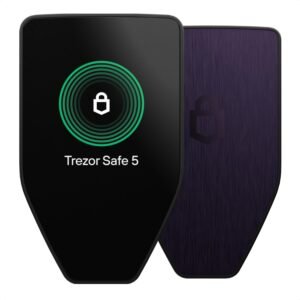
Security is a significant concern in the crypto space, given the prevalence of hacks and scams. Implement robust security measures to protect your investments. Utilize hardware wallets for storing cryptocurrencies, enable two-factor authentication on exchanges, and be cautious of phishing attempts. Ensuring the security of your assets is an integral part of risk management in the crypto market.
Continuous Portfolio Review and Adjustment
Crypto markets are highly dynamic, necessitating regular portfolio reviews and adjustments. Periodically assess the performance of your investments and make necessary changes to align with your risk management strategy. This might include rebalancing your portfolio, exiting underperforming positions, or taking profits from successful investments. Continuous monitoring and adjustment ensure that your portfolio remains aligned with your risk tolerance and investment goals.
Conclusion
Mastering crypto risk management is essential for navigating the volatile and unpredictable nature of the cryptocurrency market. By employing strategies such as diversification, setting clear investment goals, conducting thorough risk assessments, utilizing stop-loss orders, staying informed, implementing security measures, and regularly reviewing your portfolio, you can effectively manage and mitigate risks. Remember, the goal isn’t to eliminate risk entirely but to understand and manage it in a way that allows you to achieve your investment objectives while protecting your assets. With careful planning and disciplined execution, you can navigate the crypto market with confidence and enhance your potential for success.
#ChatGPT assisted in the creation of this article.








Post Comment