Revolutionizing Finance: Decentralized Ledger Technology Explained

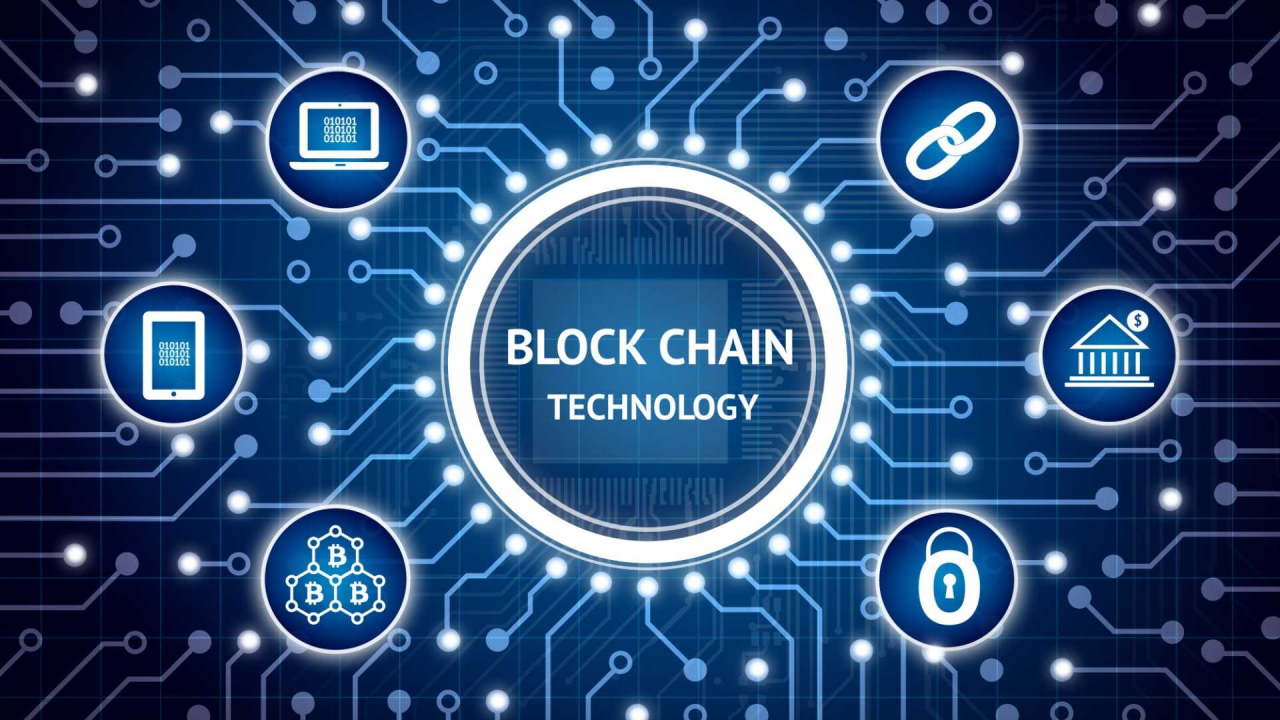
In recent years, the financial industry has witnessed a paradigm shift driven by the advent of blockchain technology, often referred to as decentralized ledger technology (DLT). This transformative technology is poised to revolutionize the way financial transactions are conducted, enhancing transparency, security, and efficiency. In this article, we delve into the intricacies of decentralized ledger technology, exploring its potential to reshape the financial landscape.
Understanding Decentralized Ledger Technology
At its core, decentralized ledger technology is a digital system for recording the transaction of assets in which the transactions and their details are recorded in multiple places at the same time. Unlike traditional databases, which are controlled by a central authority, DLT employs a decentralized network of computers, ensuring that the data is not stored in a single location. This decentralization is a key feature that enhances security and transparency.
DLT is the backbone of blockchain technology, which was originally conceptualized to support Bitcoin, the first cryptocurrency. However, its applications extend far beyond cryptocurrencies, offering innovative solutions across various sectors, particularly finance.
How DLT Works
DLT operates on a network of nodes, each maintaining a copy of the entire ledger. When a transaction is initiated, it must be validated by the network through a consensus mechanism. This validation process ensures that all copies of the ledger are updated simultaneously, preventing any single point of failure.
Two of the most common consensus mechanisms are Proof of Work (PoW) and Proof of Stake (PoS). PoW involves solving complex mathematical puzzles to validate transactions, while PoS relies on validators who hold and lock a certain amount of cryptocurrency for the right to validate transactions. Both methods aim to secure the network and ensure the integrity of the ledger.
Key Features of DLT
1. Transparency and Immutability
One of the hallmark features of DLT is its transparency. Every transaction is recorded on a public ledger, visible to all participants. Once a transaction is added to the ledger, it becomes immutable, meaning it cannot be altered or deleted. This immutability provides a high level of trust and accountability, reducing the risk of fraud.
2. Security
DLT’s decentralized nature makes it inherently secure. Since the ledger is distributed across multiple nodes, it is exceedingly difficult for a malicious actor to alter the data. Furthermore, the use of cryptographic algorithms ensures that transactions are encrypted and secure, protecting sensitive information from unauthorized access.
3. Efficiency and Cost-effectiveness
Traditional financial systems often involve intermediaries, leading to delays and additional costs. DLT eliminates the need for intermediaries by enabling peer-to-peer transactions. This not only speeds up the process but also reduces transaction costs, making financial services more accessible and affordable.
Applications in Finance
DLT has the potential to revolutionize various aspects of the financial industry. Here are some key areas where DLT is making a significant impact:
1. Cross-border Payments
Cross-border payments have traditionally been slow and costly, with multiple intermediaries involved in the process. DLT streamlines cross-border transactions by enabling direct transfers between parties, reducing the time and cost associated with these transactions. Companies like Ripple have already harnessed DLT to facilitate faster and cheaper international payments.
2. Smart Contracts
Smart contracts are self-executing contracts with the terms of the agreement directly written into code. They automatically execute actions when predefined conditions are met, eliminating the need for intermediaries. DLT-based smart contracts are transforming industries such as insurance, real estate, and supply chain management by automating processes, reducing disputes, and enhancing efficiency.
3. Digital Identity Verification
DLT offers a secure and efficient solution for digital identity verification. By leveraging blockchain’s immutable ledger, individuals can have control over their identity data, reducing the risk of identity theft. Financial institutions can use DLT to streamline the KYC (Know Your Customer) process, improving customer onboarding and compliance.
4. Asset Tokenization
Asset tokenization involves representing real-world assets, such as real estate or stocks, as digital tokens on a blockchain. This process enhances liquidity, allowing for fractional ownership and easier transfer of assets. Tokenization opens up new investment opportunities, democratizing access to assets that were previously illiquid or restricted.
Challenges and Considerations
While DLT holds immense promise, it also faces several challenges that need to be addressed for widespread adoption:
1. Scalability
Scalability remains a significant challenge for DLT. As the number of transactions increases, the network can become congested, leading to slower processing times and higher fees. Innovations such as sharding, layer 2 solutions, and improved consensus algorithms are being explored to enhance scalability.
2. Regulatory Uncertainty
The regulatory landscape for DLT is still evolving. Governments and regulatory bodies are grappling with how to classify and regulate digital assets and decentralized platforms. Clear and consistent regulations are essential to provide a stable environment for innovation and investment.
3. Interoperability
The proliferation of various blockchain platforms has led to interoperability challenges. Different blockchains often operate in isolation, limiting the seamless exchange of data and assets. Efforts are underway to develop interoperability solutions, enabling different blockchain networks to communicate and interact with each other.
The Future of Finance with DLT
As decentralized ledger technology continues to evolve, its impact on the financial industry is expected to grow exponentially. Here are some potential future developments:
1. Central Bank Digital Currencies (CBDCs)
Many central banks are exploring the issuance of digital currencies using DLT. CBDCs have the potential to enhance monetary policy, improve financial inclusion, and reduce the cost of cash management. Countries like China and Sweden are already conducting pilot programs to test the feasibility of CBDCs.
2. Decentralized Finance (DeFi)
DeFi is a burgeoning sector that leverages DLT to offer traditional financial services such as lending, borrowing, and trading without intermediaries. DeFi platforms utilize smart contracts to automate financial transactions, providing users with greater control over their assets. As DeFi matures, it could disrupt traditional banking and investment models.
3. Enhanced Security and Privacy
Advancements in cryptographic techniques, such as zero-knowledge proofs and homomorphic encryption, are being integrated into DLT to enhance security and privacy. These innovations will allow for the secure sharing of data and execution of transactions without revealing sensitive information.
Conclusion
Decentralized ledger technology is undeniably revolutionizing the financial industry, offering unprecedented levels of transparency, security, and efficiency. Its potential to streamline processes, reduce costs, and democratize access to financial services is driving its adoption across the globe. However, challenges such as scalability, regulatory uncertainty, and interoperability must be addressed to unlock the full potential of DLT.
As the technology continues to mature and evolve, it is poised to reshape the financial landscape, paving the way for a more inclusive and efficient global economy. Financial institutions, regulators, and innovators must collaborate to harness the power of DLT, ensuring a future where finance is accessible, secure, and equitable for all.











Post Comment