Maximize Returns: Staking Crypto for Passive Income

Cryptocurrencies have become a significant player in the financial world, offering numerous ways to earn and invest. One of the most promising methods to generate passive income from cryptocurrencies is staking. Staking not only provides a steady income stream but also plays a crucial role in maintaining the security and efficiency of blockchain networks. This article will delve into the concept of staking, its benefits, and how to maximize returns through strategic staking practices.
Understanding Crypto Staking
Crypto staking involves participating in a proof-of-stake (PoS) blockchain network by locking up a certain amount of cryptocurrency to support the network’s operations, such as validating transactions and securing the network. In return for staking your coins, you earn rewards, typically in the form of additional cryptocurrency. This process is akin to earning interest on a savings account, but it involves digital assets.
Proof-of-Stake vs. Proof-of-Work
To appreciate the significance of staking, it is essential to distinguish between proof-of-stake (PoS) and proof-of-work (PoW). PoW, used by Bitcoin and other cryptocurrencies, requires miners to solve complex mathematical problems to validate transactions and add them to the blockchain. This process is energy-intensive and requires substantial computational power.
On the other hand, PoS, the mechanism behind staking, selects validators based on the number of coins they hold and are willing to “stake” as collateral. This method is more energy-efficient and environmentally friendly compared to PoW. Furthermore, it democratizes the validation process, allowing more participants to engage in network security and earn rewards.
Benefits of Staking
Staking offers several advantages, making it an attractive option for crypto investors looking to generate passive income.
1. Passive Income
One of the primary benefits of staking is the ability to earn passive income. By simply holding and staking your cryptocurrency, you can receive regular rewards. This income can be particularly appealing in a volatile market, as it provides a steady return regardless of price fluctuations.
2. Network Participation
Staking allows investors to actively participate in the governance and security of the blockchain network. This involvement can lead to a more decentralized and robust ecosystem, as stakeholders have a vested interest in the network’s success.
3. Lower Energy Consumption
Compared to mining, staking consumes significantly less energy. This makes it an environmentally friendly alternative, aligning with the growing demand for sustainable and energy-efficient solutions in the crypto space.
4. Portfolio Diversification
Staking can also serve as a diversification strategy for crypto portfolios. By allocating a portion of your holdings to staking, you can mitigate risks associated with market volatility while earning consistent rewards.
How to Maximize Returns from Staking
To maximize returns from staking, investors should adopt strategic practices and consider various factors that influence staking profitability.
1. Choose the Right Cryptocurrency
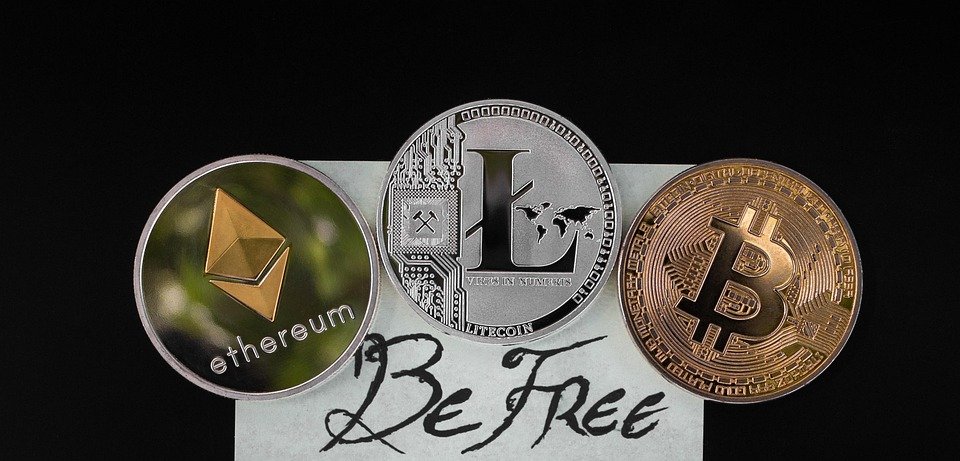
Not all cryptocurrencies offer staking options, and the potential returns can vary significantly among those that do. Research and select cryptocurrencies with a proven track record, robust ecosystem, and attractive staking rewards. Popular options include Ethereum 2.0, Cardano (ADA), Polkadot (DOT), and Solana (SOL).
2. Evaluate Staking Yields
Staking yields refer to the percentage of returns you can earn from staking a particular cryptocurrency. These yields can be influenced by factors such as the total supply of tokens, network demand, and inflation rates. Compare staking yields across different cryptocurrencies and platforms to identify the most lucrative opportunities.
3. Understand the Lock-up Period
Many staking platforms require investors to lock up their funds for a specified period. During this time, you cannot access or trade your staked assets. Evaluate the lock-up period for each staking opportunity and assess whether it aligns with your investment goals and risk tolerance.
4. Select a Reliable Staking Platform
The choice of staking platform can significantly impact your returns and experience. Opt for reputable platforms with a history of security and reliable payouts. Some popular staking platforms include Binance, Kraken, and Coinbase. Additionally, consider using a hardware wallet or a dedicated staking wallet to enhance security.
5. Consider Staking Pools
Joining a staking pool can be an effective way to boost returns, especially for investors with smaller holdings. Staking pools aggregate the resources of multiple participants, increasing the likelihood of being selected as a validator and earning rewards. However, be aware that pool operators may charge a small fee for their services.
6. Monitor Network Updates and Governance Proposals
Stay informed about the latest developments in the blockchain networks you are staking. Network upgrades, governance proposals, and changes in staking parameters can influence your returns and overall investment strategy. By staying updated, you can make informed decisions and adjust your staking strategy accordingly.
7. Reinvest Rewards
To maximize compounding effects and grow your holdings, consider reinvesting the rewards earned from staking. By continuously increasing your staked amount, you can enhance your earning potential over time.
Risks and Considerations
While staking offers numerous benefits, it is not without risks. It is crucial to be aware of these risks and consider them in your decision-making process.
1. Market Volatility
Cryptocurrencies are inherently volatile, and their values can fluctuate significantly. While staking provides a steady income, the value of the staked assets may decrease due to market downturns, affecting your overall returns.
2. Slashing Risks
In some PoS networks, validators can face penalties, known as “slashing,” for malicious behavior or failing to maintain network uptime. These penalties can result in the loss of staked assets. To mitigate this risk, choose reliable validators and staking platforms with a strong track record.
3. Illiquidity
The lock-up period associated with staking can lead to illiquidity, as you may be unable to access your assets during this time. Consider your liquidity needs before committing to a staking opportunity.
4. Platform Risks
Staking on centralized platforms can expose you to risks associated with platform security, regulatory changes, and operational failures. To minimize these risks, diversify your staked assets across multiple platforms and consider using decentralized staking solutions.
Conclusion
Staking cryptocurrency presents a compelling opportunity for investors seeking to maximize returns through passive income. By understanding the staking process, selecting the right assets, and adopting strategic practices, investors can enhance their earning potential while contributing to the security and decentralization of blockchain networks. However, it is essential to remain aware of the associated risks and make informed decisions to ensure a successful staking experience. As the crypto landscape continues to evolve, staking will likely remain a vital component of a diversified cryptocurrency investment strategy.











Post Comment