Revolutionizing Industries: The Future of Blockchain Innovation

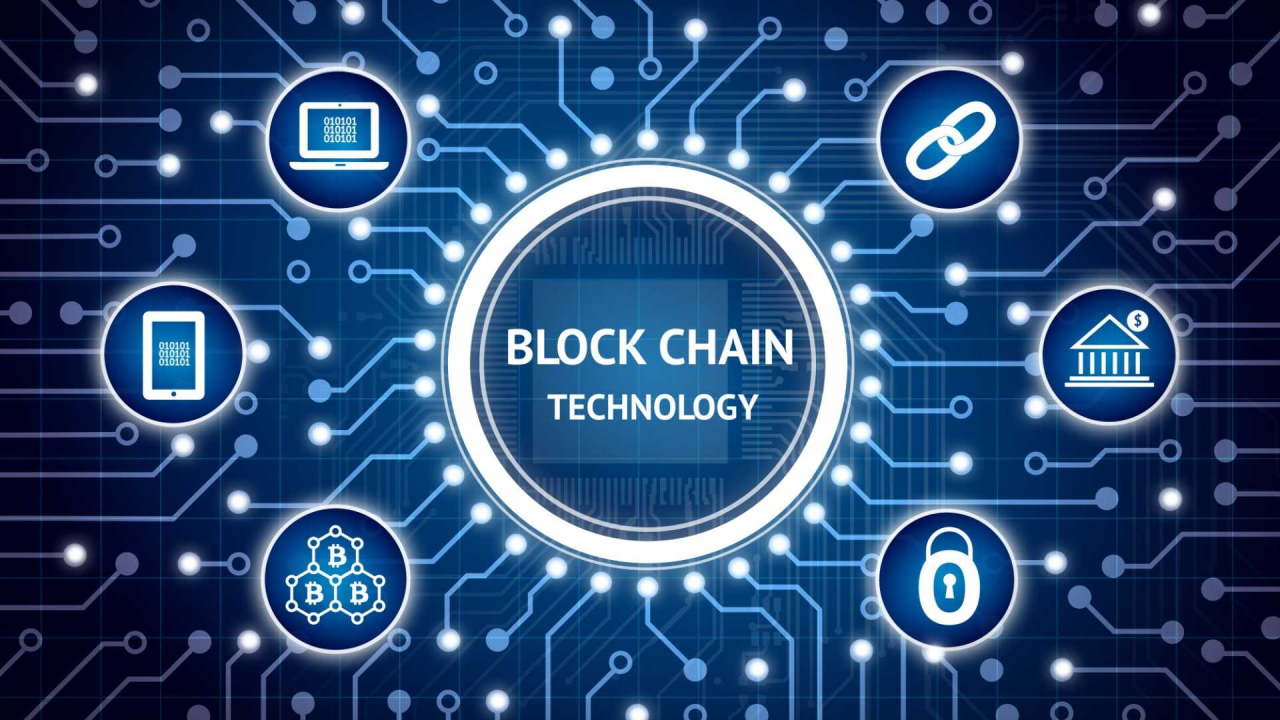
Blockchain technology, once a niche topic primarily associated with the cryptocurrency Bitcoin, has rapidly evolved into a groundbreaking innovation with the potential to transform a multitude of industries. Its decentralized nature, transparency, and security features offer new avenues for solving longstanding challenges across various sectors. As we delve deeper into the digital age, the role of blockchain in reshaping industries is becoming increasingly evident, paving the way for a future brimming with possibilities.
Understanding Blockchain Technology
At its core, blockchain is a distributed ledger technology that records transactions across a network of computers. This decentralized approach ensures that no single entity has control over the entire database, thus enhancing security and reducing the risk of fraud. Each transaction is verified by network participants, and once recorded, it is immutable, adding an additional layer of trust in the data.
The Impact of Blockchain on Various Industries
Finance and Banking
The financial sector has been one of the earliest adopters of blockchain technology. Traditional banking processes, often plagued by inefficiencies and high costs, stand to benefit significantly from blockchain’s capabilities. By enabling faster and more secure transactions, blockchain can reduce the need for intermediaries, thereby lowering transaction costs. Moreover, the transparency and traceability offered by blockchain can enhance compliance and reduce the risk of fraud.
Supply Chain Management
Blockchain’s ability to provide an immutable and transparent record of transactions makes it particularly suited for supply chain management. By offering real-time visibility into the movement of goods, blockchain can help companies streamline their operations, reduce costs, and improve efficiency. Moreover, consumers can benefit from greater transparency regarding the origin and journey of products, fostering trust and accountability.
Healthcare
In the healthcare sector, blockchain technology can revolutionize the way patient data is managed. With blockchain, patient records can be securely stored and easily accessed by authorized parties, ensuring data integrity and privacy. Additionally, blockchain can facilitate improved drug traceability and compliance, reducing the risk of counterfeit medications entering the market.
Real Estate
The real estate industry is notoriously complex, with numerous intermediaries involved in transactions. Blockchain has the potential to simplify this process by enabling the tokenization of real estate assets. By representing properties as digital tokens on a blockchain, transactions can be conducted more efficiently and securely. This innovation can also open up real estate investment opportunities to a broader audience, as fractional ownership becomes more feasible.
Challenges and Considerations
While the potential of blockchain technology is immense, its widespread adoption does face several challenges. One of the primary concerns is scalability; as the number of transactions increases, the blockchain network may struggle to maintain performance. Additionally, regulatory uncertainties and the need for standardized protocols across industries can hinder progress. Lastly, integrating blockchain solutions with existing systems can be complex and requires significant investment in both time and resources.
The Future of Blockchain Innovation
Despite the challenges, the future of blockchain innovation appears promising. As technology continues to evolve, we can expect to see advancements that address current limitations, making blockchain more accessible and scalable. The integration of blockchain with other emerging technologies, such as artificial intelligence and the Internet of Things, will further amplify its transformative potential.
Decentralized Finance (DeFi) and Beyond
Decentralized finance, or DeFi, represents one of the most exciting frontiers of blockchain innovation. By leveraging smart contracts, DeFi platforms can offer a range of financial services without the need for traditional intermediaries. This democratization of finance has the potential to increase financial inclusion, providing access to banking services for the unbanked population globally.
Non-Fungible Tokens (NFTs)
Non-fungible tokens, or NFTs, have taken the art and entertainment world by storm, offering a new way to buy, sell, and trade digital assets. Beyond the realm of digital art, NFTs have applications in industries such as gaming, music, and real estate, where they can be used to represent ownership and provenance of unique items.
Governance and Digital Identity
Blockchain technology holds promise for improving governance and digital identity solutions. By providing secure and verifiable digital identities, blockchain can streamline processes such as voting, identity verification, and access to services. This could lead to more transparent and efficient governmental and organizational operations.
Conclusion
Blockchain technology is poised to revolutionize industries by offering innovative solutions to complex challenges. While there are hurdles to overcome, the potential benefits far outweigh the drawbacks. As industries continue to explore and adopt blockchain solutions, we can expect to witness a profound transformation in the way we conduct business, interact, and build trust in a digital world. The future of blockchain innovation is bright, and its impact on industries will be felt for decades to come.











Post Comment